
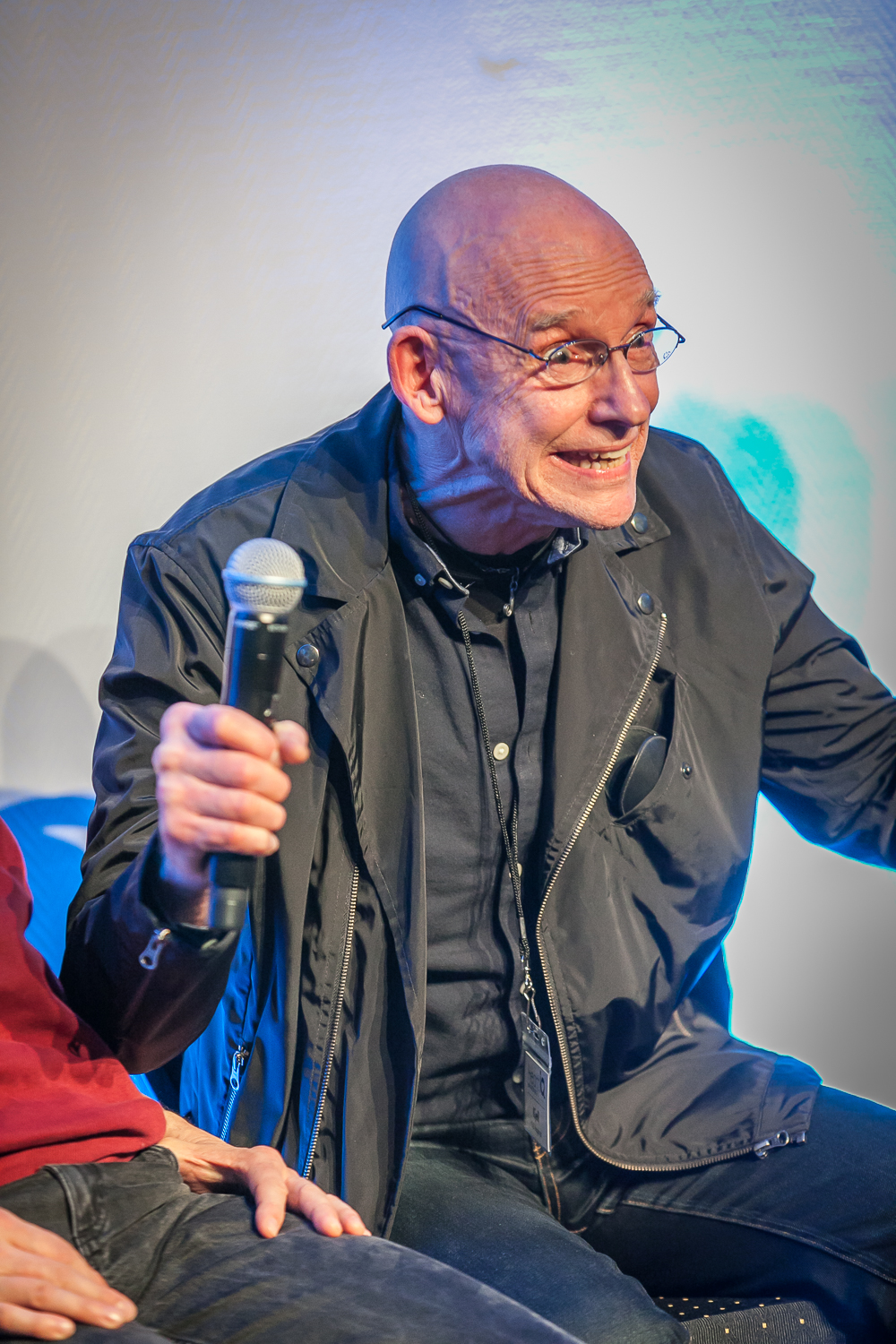
In Part 1 of this post, we talked about how there is no such thing as a negative emotion, and how anger is our fuel when channeled through the heart. In this video, you’ll see Christian coach a woman from a place of disconnection from her rage into a bright, juicy state where she feels more alive and connected to her own internal fire and boundaries.
This demonstration explores recognising anger without making it wrong or acting it out. The participant is supported to notice what she wants to communicate more clearly.
Anger and boundaries
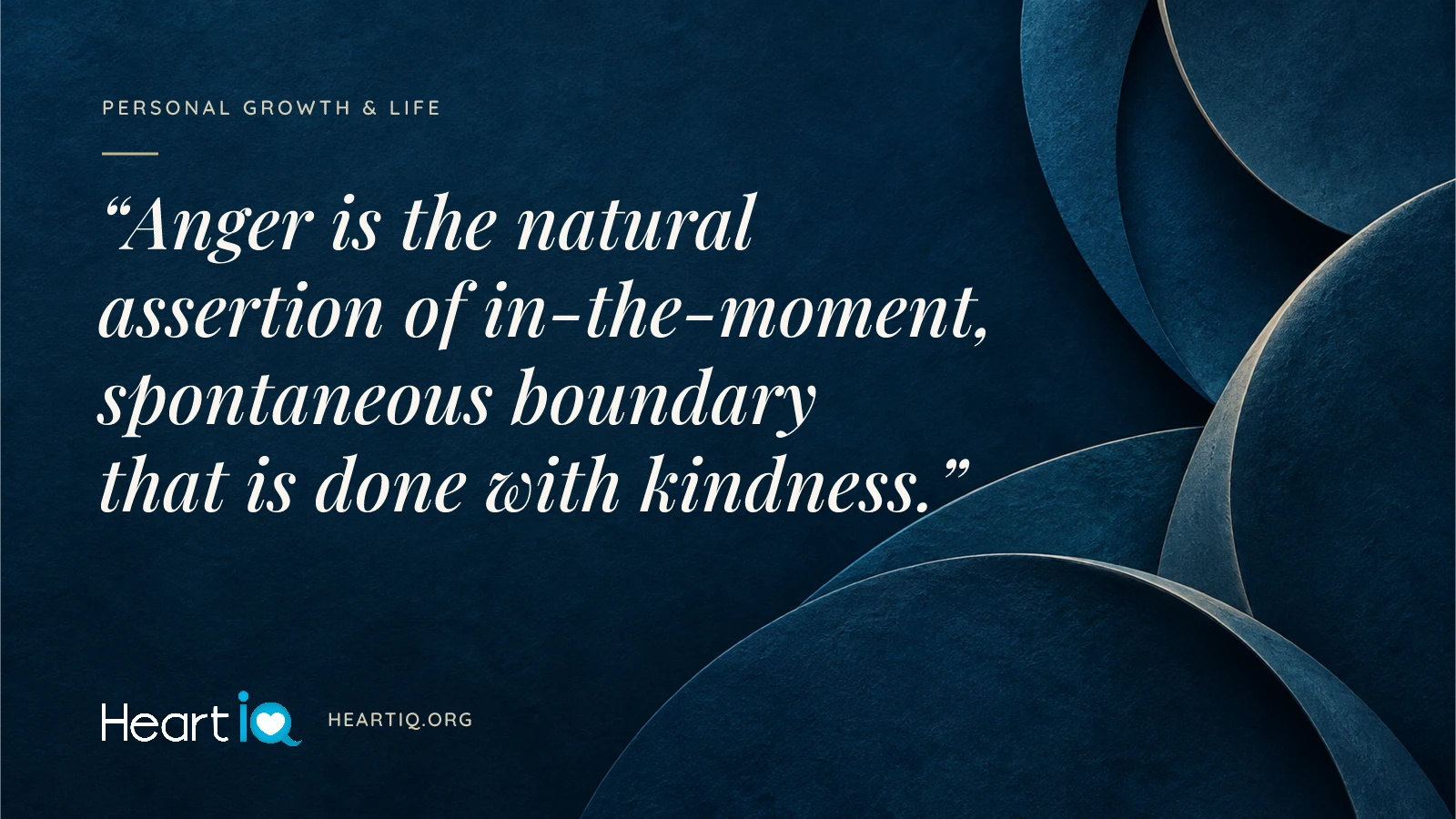
Anger may help us notice a limit or a need that has gone unspoken. Learning to name that limit is a skill; difficulty with boundaries does not make a person responsible for someone else crossing them.
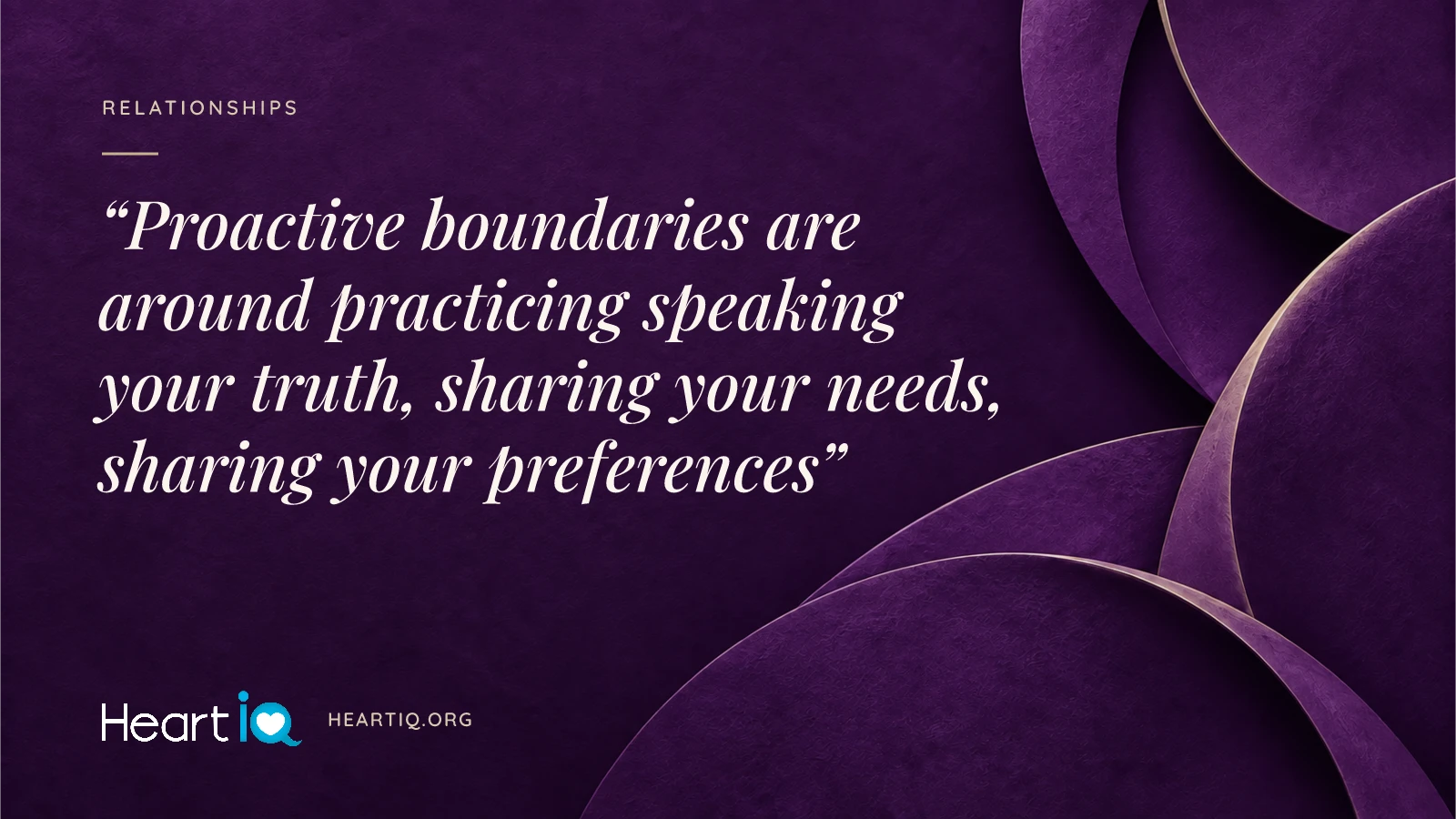
A clear no can make room for what we do want. If resentment has built up, it can help to slow down and identify the request or boundary underneath it, rather than waiting for an outburst.
In the recording, Christian calls this energy fire: a felt sense of confidence and presence. The important distinction is how the feeling is expressed. A person can acknowledge anger while remaining responsible for their actions and attentive to their effect on others.
The teaching invites a more conscious relationship with anger, rather than either condemning it or treating it as permission to harm.
Recording Notes
This session shows Christian working live with a woman who arrives carrying "a load on her shoulders" after a sleepless night full of rage. She says she wants to be present at work rather than acting from that rage. Christian reflects back what he notices in her communication: that it sounds devoid of the anger she's describing, as though the rage is disowned rather than integrated into who she is right now.
Rather than treating the rage as a problem to remove, he reframes it as fuel that is currently sitting outside her sense of self. He asks directly whether she is friends with this energy and whether she wants to welcome it safely into her life. When she says yes, he has her build a visual and felt sense of herself "on fire" and self-assured, then asks what specifically triggers her anger. She names a manager who talks down to her and humiliates her, and Christian has her rehearse a clear, embodied response in that imagined moment rather than staying passive.
He's careful to note that this shift in energy is not a permanent fix, since "nothing's broken." The work is in noticing and reapplying the practice moment to moment, described here as a repeated course correction that eventually becomes automatic. He also names that with more sustained work he would help her bring the rage out more fully in a supported way, but the demonstration itself stays at the level of recognising the disowned energy and beginning to visualise integrating it.
Limitations of this excerpt
The recording is a short coaching demonstration in front of a group. It does not show longer-term outcomes for the participant, and any sense of resolution shown here is within the scope of a single exercise, not a claim about lasting change.
Reclaiming disowned anger as fuel
- Notice when communication feels devoid of the anger a person is describing
- Name the rage as disowned rather than integrated into the self
- Ask if there's a longing to welcome it in safely
- Build a visualised, felt sense of being fully in that fire and self-worth
- Rehearse a specific triggering moment with the reclaimed energy
- Practise noticing and course-correcting moment to moment so it becomes automatic