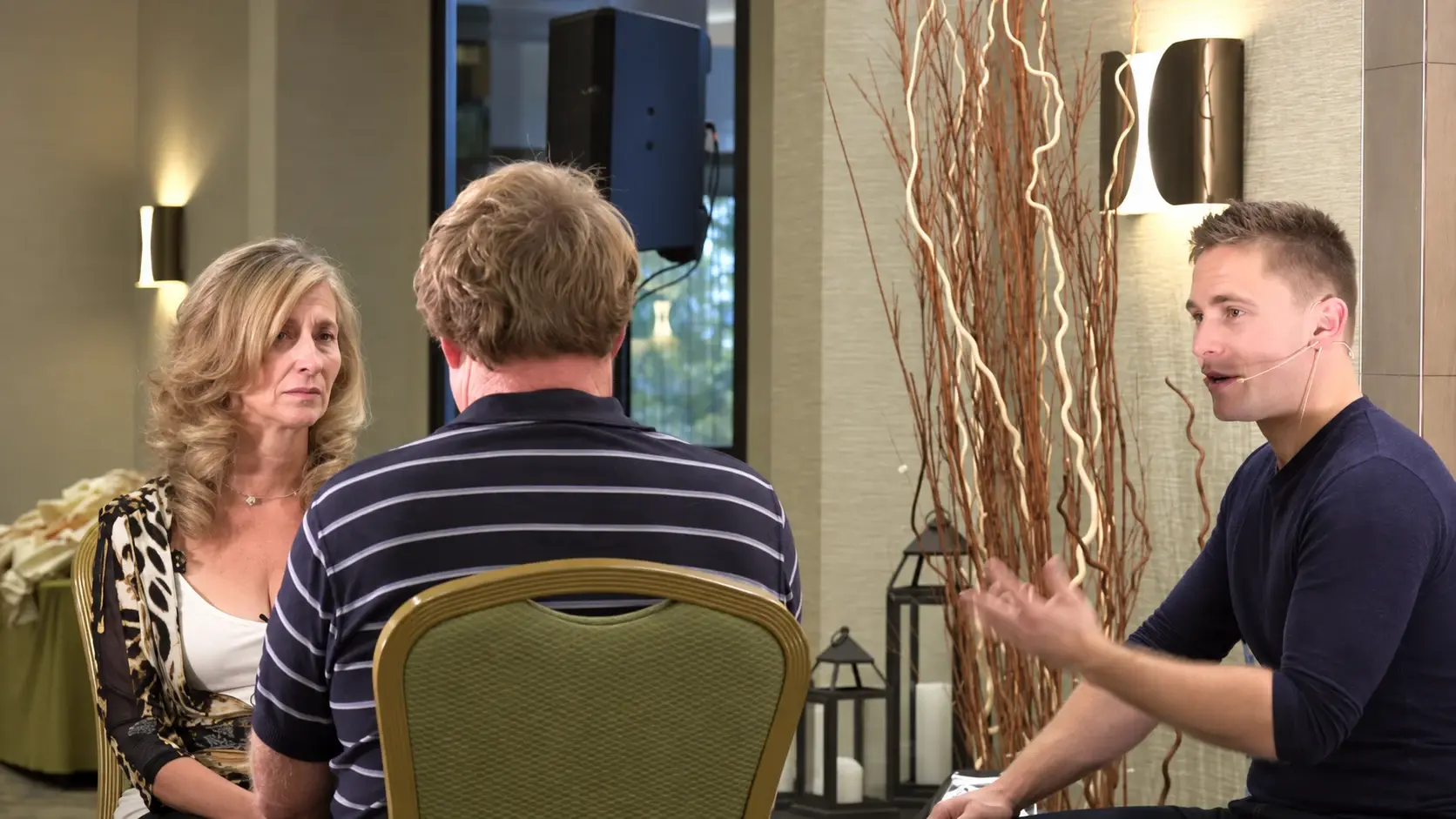
Each one explains the other to you, and you end up as the judge.
Relationship Mastery · Online Facilitator Training
Learn to coach couples from the heart.
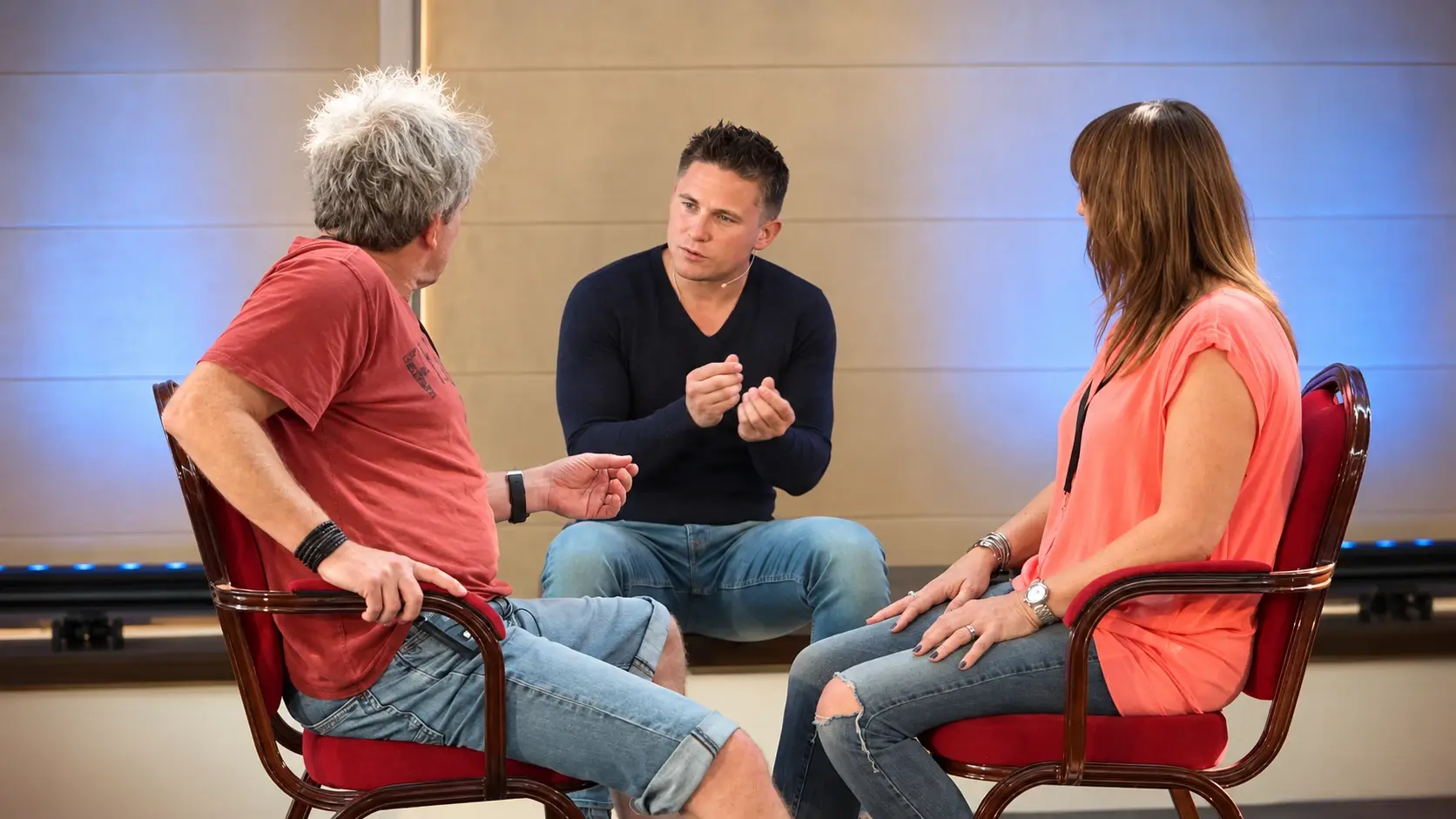
Watch Christian work with real couples, then learn exactly what he was doing and why. An online course you study at your own pace, with practices you can bring into your own sessions.
8Teaching modules
Plus orientation
Plus orientation
139Recordings
61+ hours of training
61+ hours of training
3Coaching settings
Private, circle & group
Private, circle & group
3Months with Z
A learning companion
A learning companion
Sound familiar?
The hardest thing to holdis what moves between two people.
One of them says they feel alone. The other hears that they have failed. Before you have said a word, the old argument has started again, and each of them is quietly waiting for you to agree with them.
Whether you work with individuals, couples or groups, facilitating intimacy asks something specific of you: holding two nervous systems at once, translating between them, and leaving them with something they can use at home on a hard evening.
You never say it out loud, and both of them feel it anyway.
One "because" and the apology becomes another dig.
"I love you" does not reach someone who has just said "I don't feel important".
It worked in the room, and a week later they are back in the old pattern.
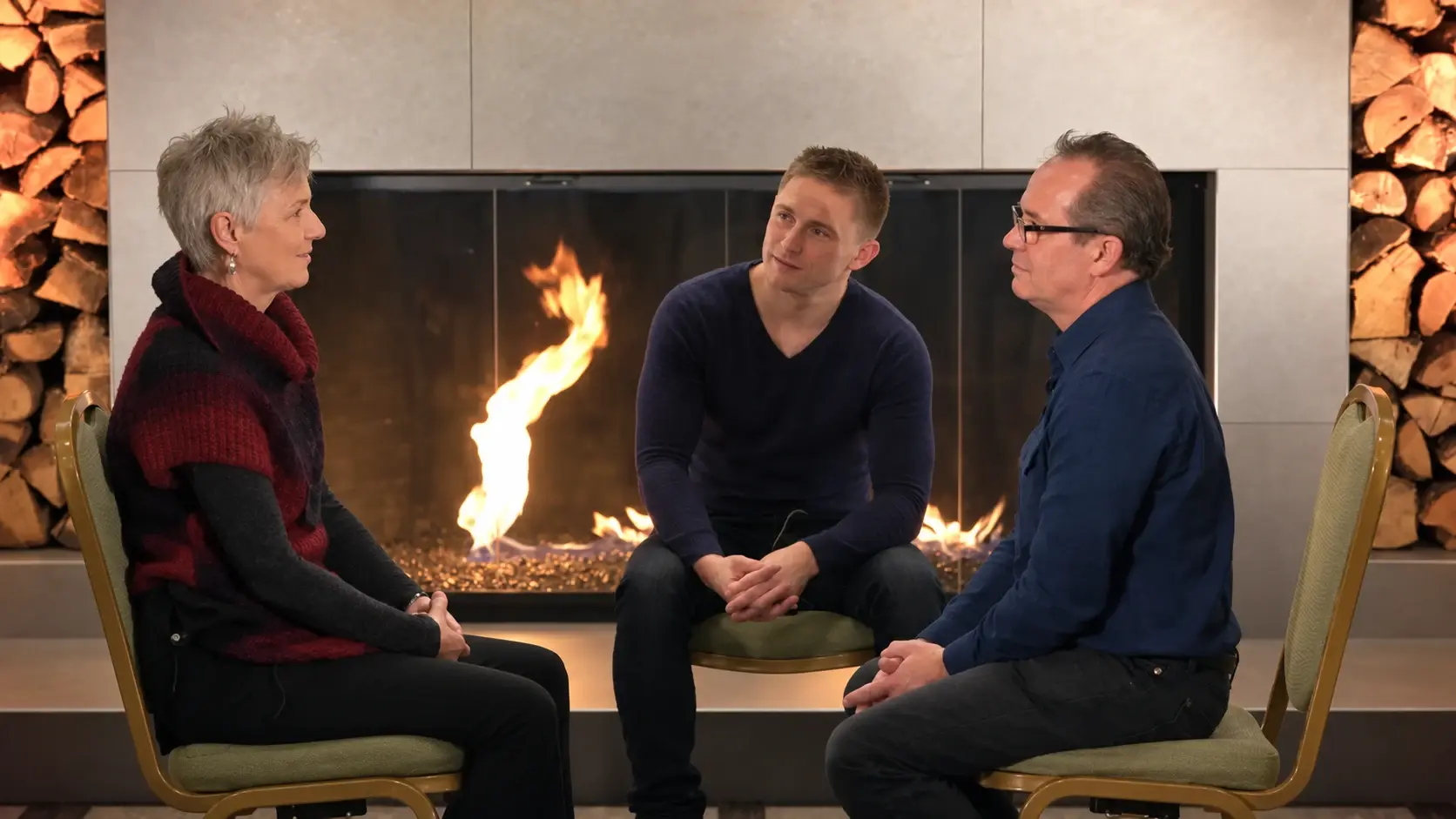
“Nearly all relationship coaching is translating.”Christian Pankhurst
A complaint arrives as blame. Underneath it is a moment, a feeling and a need that the other partner could actually meet, if only they could hear it. The coach’s work is to find it, and to voice it so it lands.
This training teaches that translation, practice by practice, and shows you Christian doing it with real people in real time.
Then it teaches you to hand the language to the couple, so they can keep translating for each other when you are gone.
Most couples arrive arguing about the words.
The hurt sits underneath them.
Relationship Mastery trains your eye for what is actually happening between two people.
These are some of the moments you will learn to see, and to work with.
What the recordings train you to notice
- The moment a reach for connection lands as pressure.
- A “because” that turns an acknowledgement into blame.
- Reassurance offered too early, or not meant.
- The quieter partner suffering unseen while attention flows to the louder one.
- Humour a couple uses to stay out of contact.
- Your own pull to rescue, to fix, or to take a side.
Learn from the whole session
Watch the work happen, and hear why every choice was made.
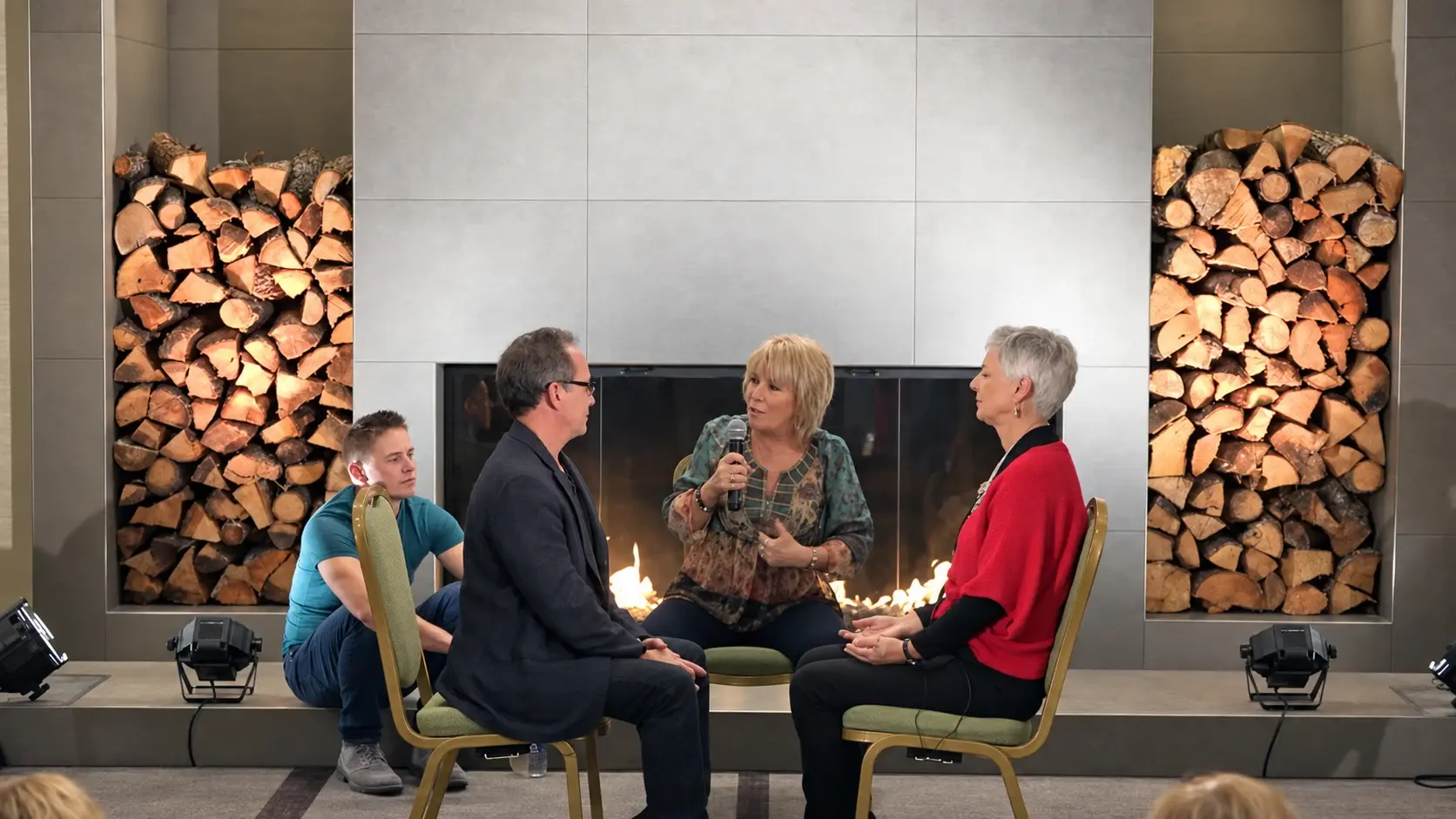
Christian teaches each process, often with Stephanie Fabela beside him, demonstrates it live, and then returns to the recording to explain his decisions: when he stepped in, when he waited, what he saw in a partner’s body before they said a word. In the Coaching the Coach sessions you watch trainee coaches work with couples while Christian stops the action to teach, so you see the mistakes a good practitioner makes and exactly how to correct them.
“The practice of embodiment and live demos together with a well balanced amount of lecture was a profound combination.”Marc · Bristol, England
Filmed where the work happens
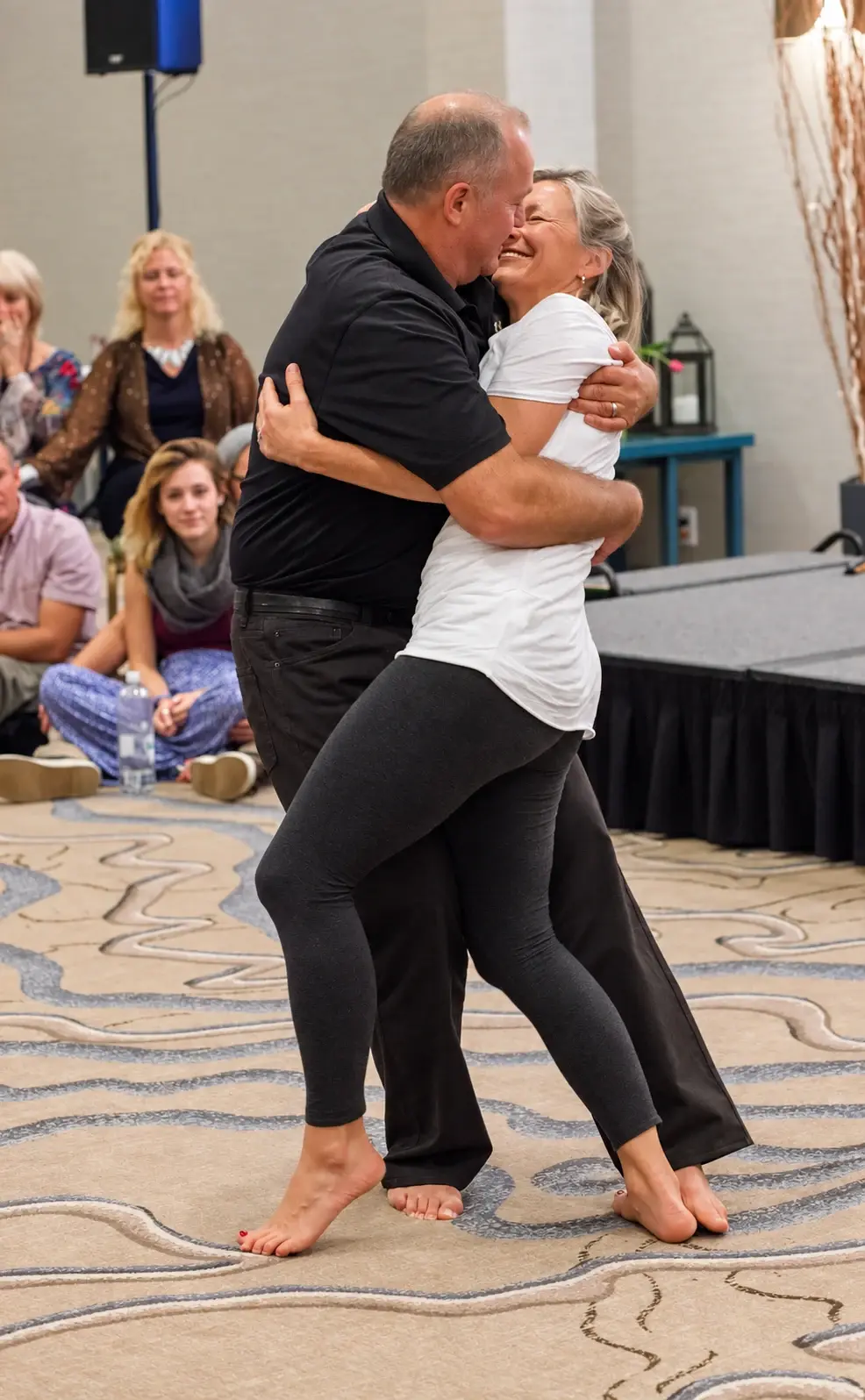
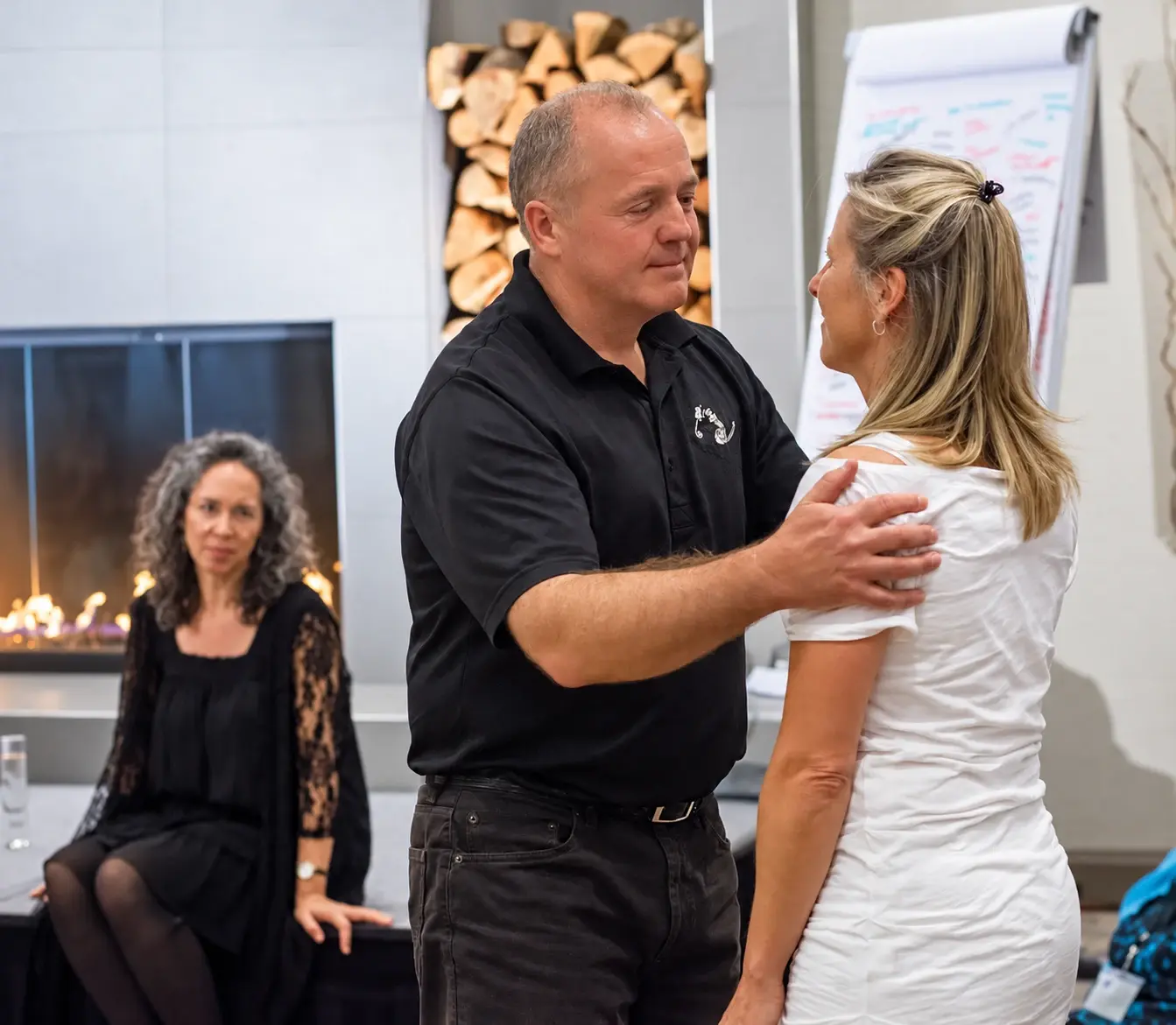
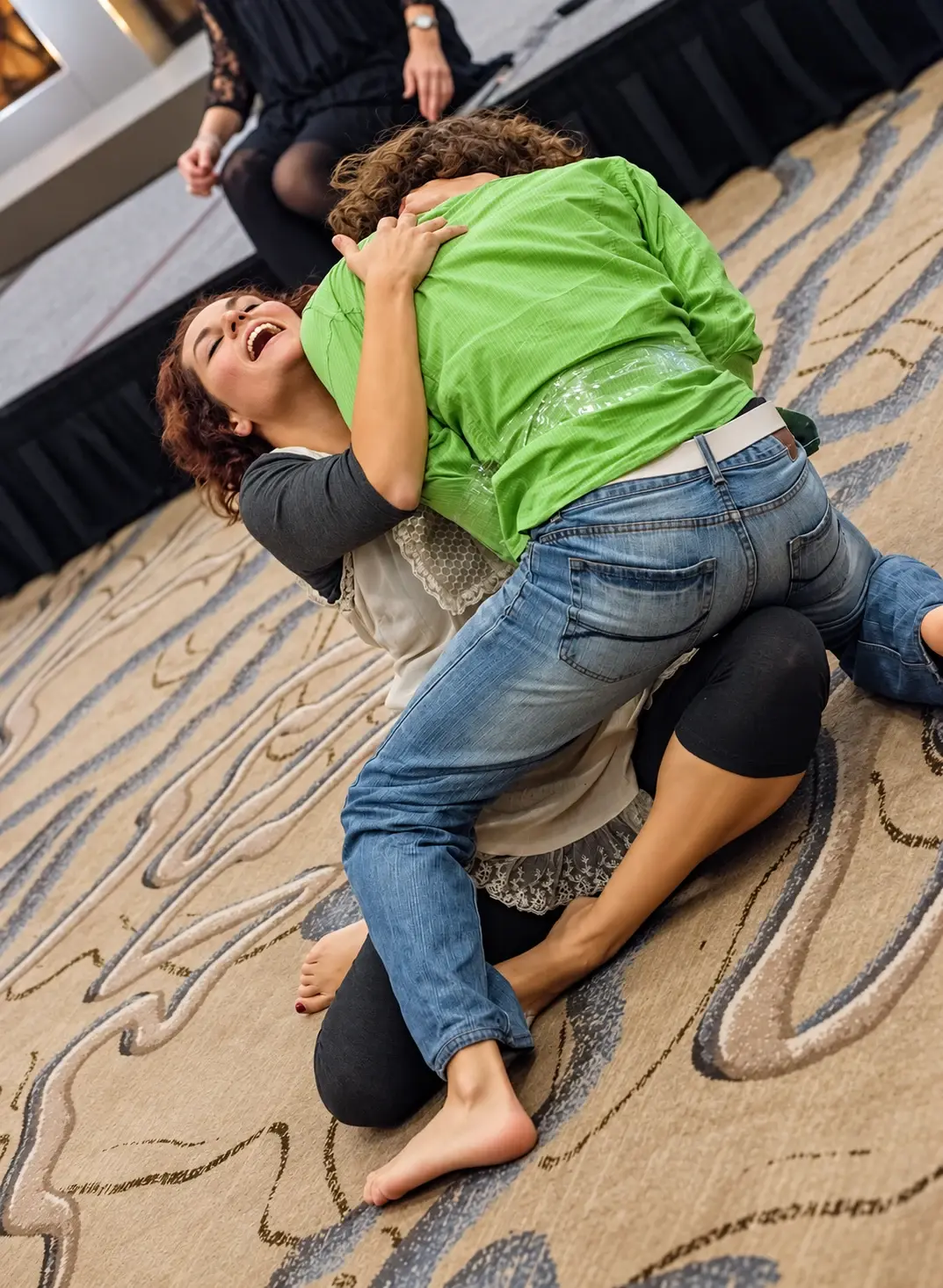
Inside the circles
and trainings.
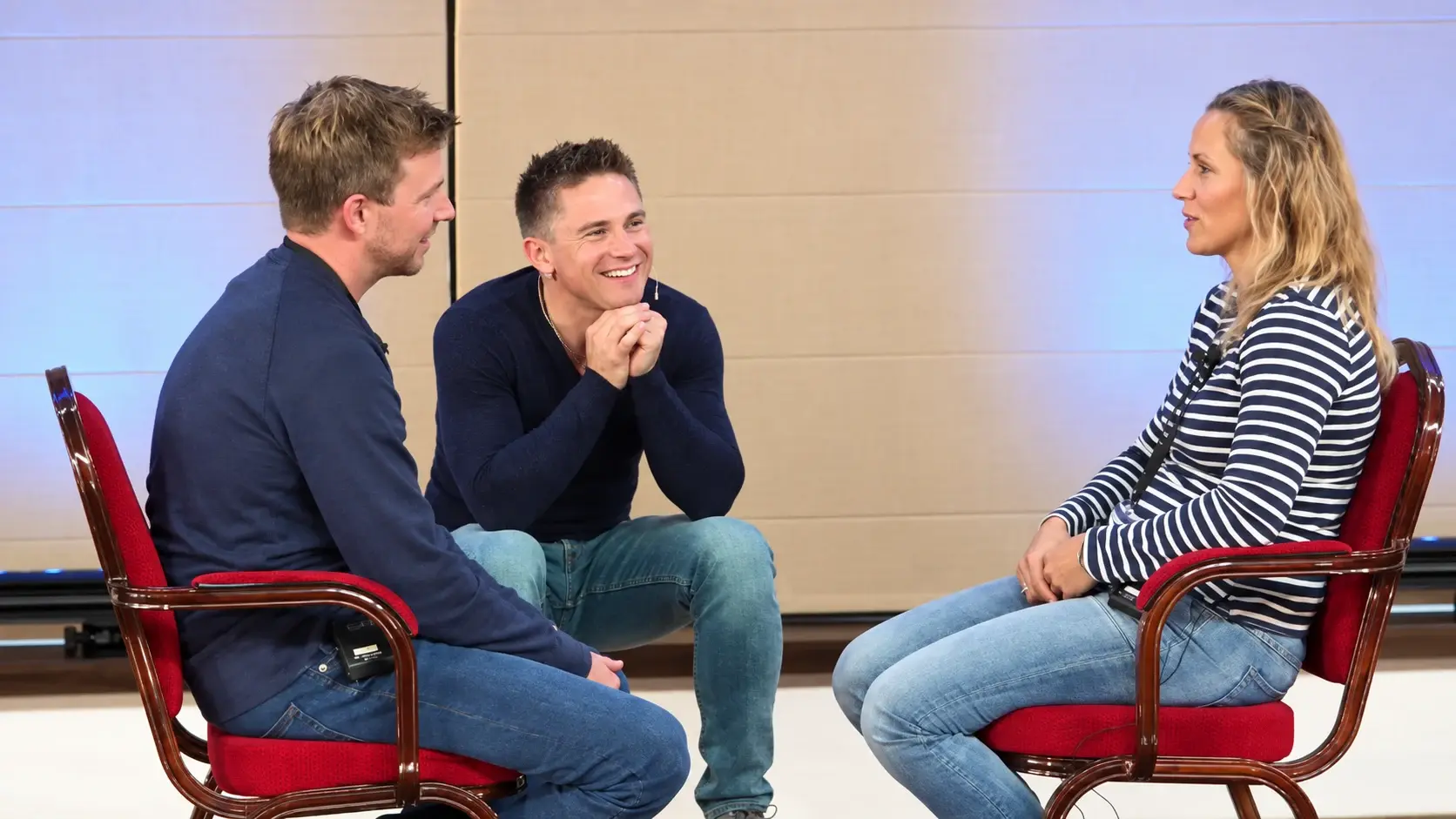
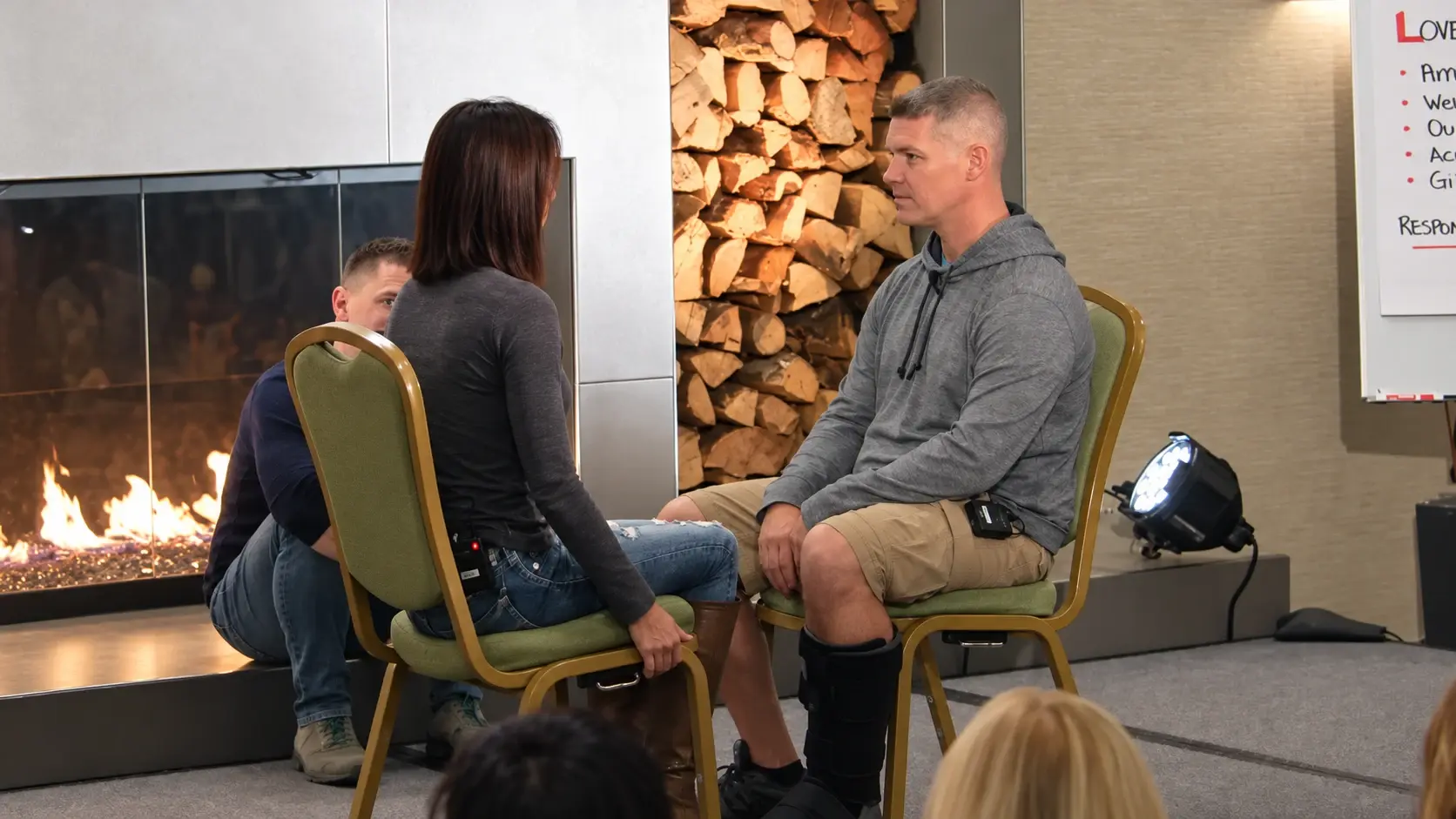
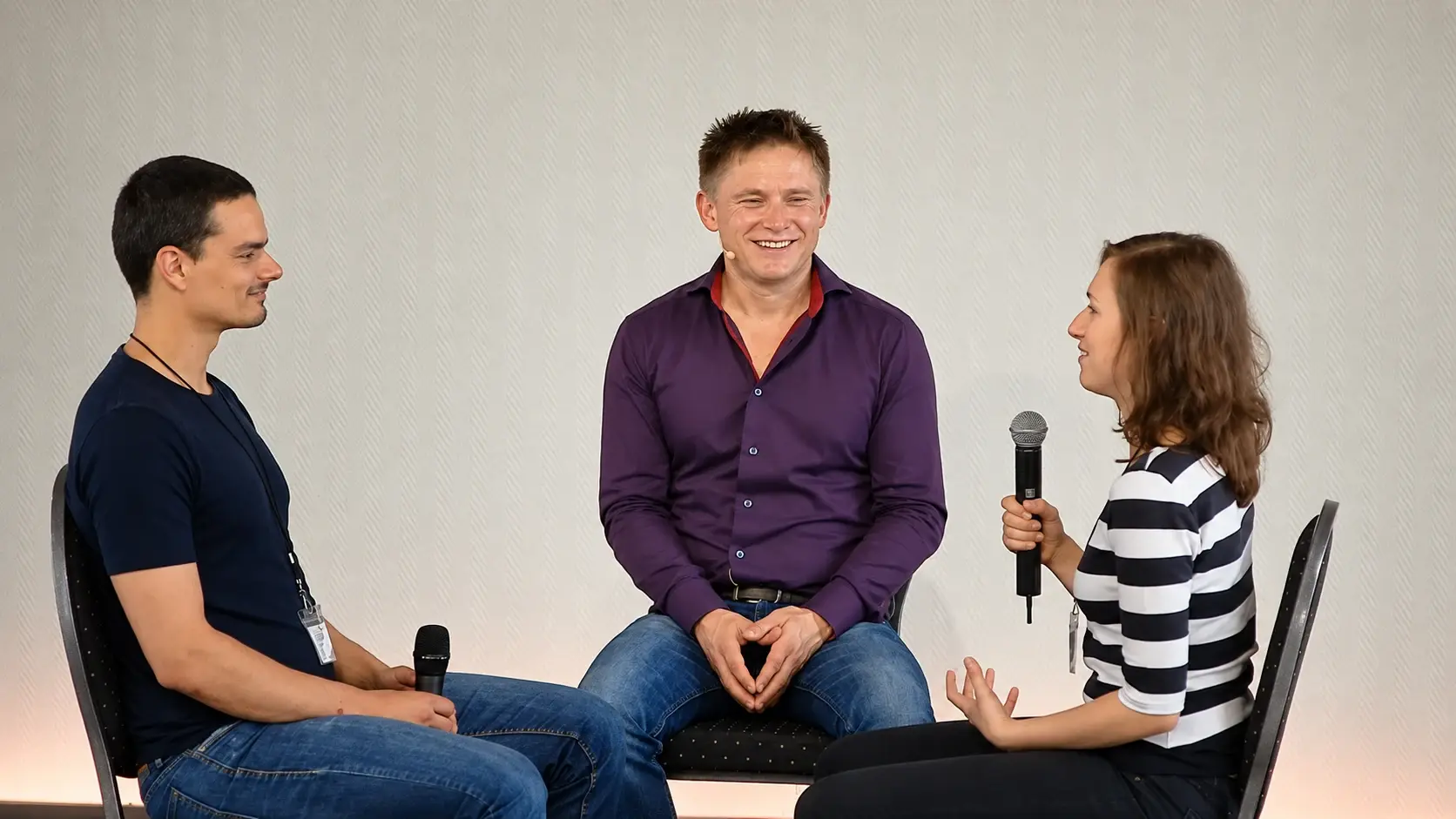
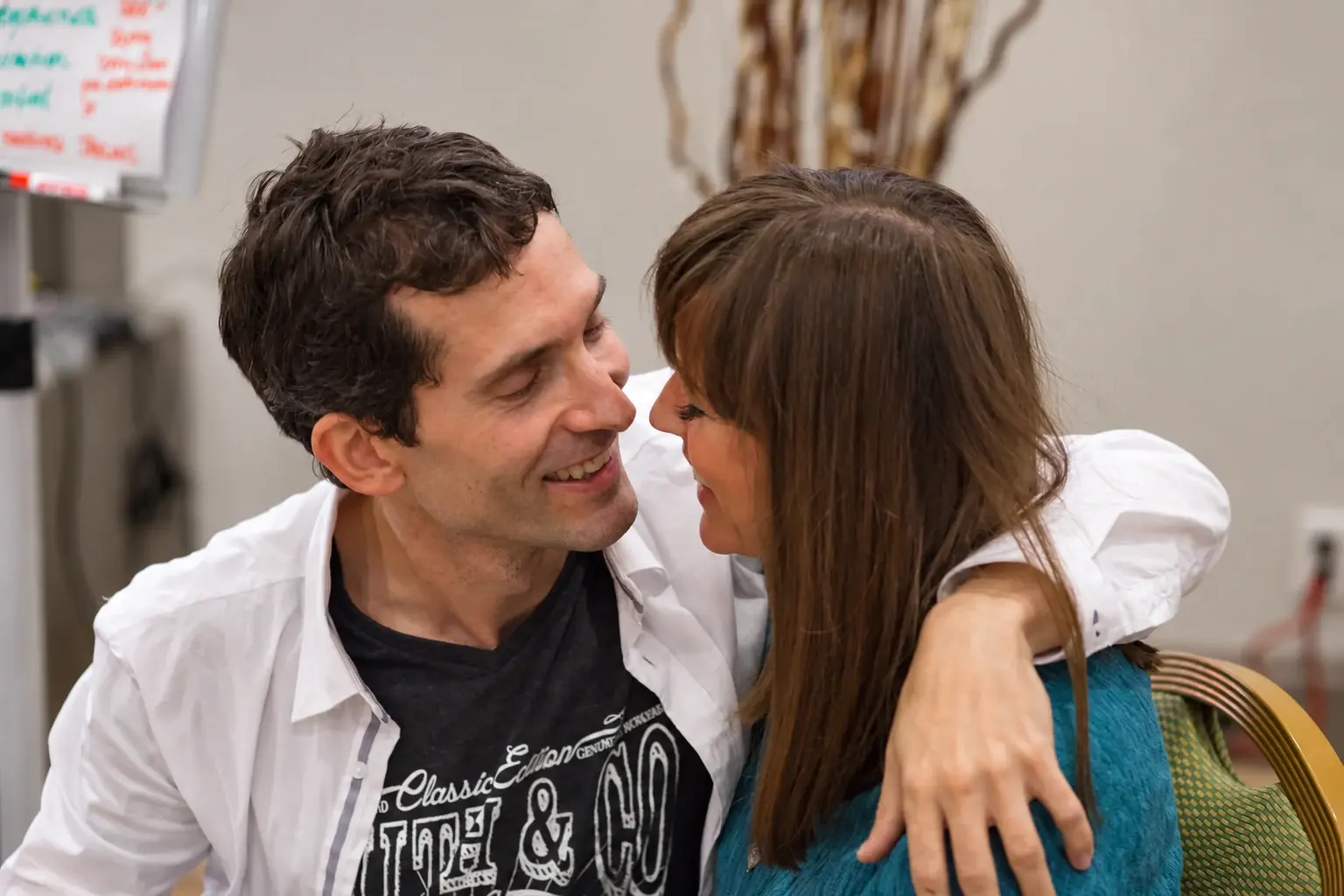
These recordings were made at Heart iQ retreats, facilitator trainings and live online masterclasses. You see the interruptions, the uncertainty and the feedback that changes the direction of a session, as well as the breakthroughs.
The curriculum
Eight modules of relational facilitation.
Begin with the orientation, then move through eight teaching modules of core teaching and demonstrations, case studies, full masterclasses and supplemental practices that go deeper.
Start
How to learn from this training
Welcome to Relationship Mastery
Christian introduces the training and how to learn from it: watch the demonstrations, practise the exchange with someone willing, then return to the analysis. He explains why this work changes the facilitator as much as the couples they serve.
See the lessons 1 lessons · 2 recordings and readings
Core Training
- Welcome to Relationship Mastery
01
The ground the method stands on
Relationship Mastery Foundations
The seven ingredients of a thriving relationship, the Heart iQ philosophy, the three stages of connection, the laws of energetic couple dynamics, and the sacred agreements Christian makes with a couple in the very first session. Then relationship tracking, the first practice you teach every couple, with demonstrations, case analysis and a coach being coached.
See the lessons 10 lessons · 24 recordings and readings
Introduction
- Introduction
Core Training
- The 7 Ingredients to a Delicious Relationship
- Heart iQ Relationship Foundation Philosophy
- The 3 Stages of Connection
- The Laws of Energetic Couple Dynamics
- Helping Couples Make Sacred Agreements
- Relationship Tracking
Masterclass
- Masterclass 1: Dare to Share Conversations
Supplemental Training
- Advanced 'Dare To Share' Practice
- Insights to Intimacy: Foundational Q&A
02
The simplest repair practice
The Acknowledgement Process, Basic Version
Each partner names one thing they bring to the relationship that does not work, with no story and no “because”, while the other simply receives it. Watch Christian shape each sentence until it is clean, and bring the room in when a partner goes blank.
See the lessons 2 lessons · 3 recordings and readings
Core Training
- DEMO - Basic Version
Masterclass
- Masterclass 2: The Acknowledgement Process - Basic Version
03
Christian’s favourite process
The Acknowledgement Process, Advanced Version
One partner names what they do with their pain that does not work, and what they want instead. The other reassures first, then owns their matching part. Study reassurance, acknowledgement and recognition, two couples’ case studies, and two sessions in which trainee coaches run the process under Christian’s supervision.
See the lessons 8 lessons · 21 recordings and readings
Core Training
- The Advanced Acknowledgement Process
- Case Study with Helene & Rick
- Case Study with Stephanie & Aaron
- Coaching the Coach Demo 1
- Coaching the Coach Demo 2
- Reassurance, Acknowledgment and Recognition
Masterclass
- Masterclass 3: The Acknowledgement Process - Advanced Version
Supplemental Training
- Advanced Acknowledgement Practice
04
Letting love land
Becoming More Responsive
Giving love is half of it. The other half is letting it land and showing that it has. Couples practise touch, words of affirmation and attention separately, then together, so each person finds where their receiving closes down. You learn to run it for one couple or for a whole room.
See the lessons 7 lessons · 20 recordings and readings
Introduction
- Introduction
Core Training
- Introduction To Responsiveness
- Case Study with Lachelle & Nathan
- Case Study with Sue & Simon
- Hot Seat Case Studies
Masterclass
- Masterclass 3: The Acknowledgement Process - Advanced Version (Part 2)
Supplemental Training
- Advanced Responsiveness Practice
05
From complaint to need
Sharing Disappointments & Unmet Needs
Help a complaint become a specific moment, a feeling and a need, spoken without making the partner wrong. Learn the pain body agreements a couple makes while they are calm, and how to coach when someone is deeply triggered, through case studies, a supervised coaching session and full client sessions.
See the lessons 9 lessons · 24 recordings and readings
Introduction
- Module Introduction
Core Training
- Introduction To Sharing Disappointments
- Advanced Case Study with Elizabeth & George
- Advanced Case Study with Jenny & Lars
- Coaching the Coach Case Study
- Pain Body Agreements
- Full Coaching Sessions with Clients Who Are Deeply Triggered
Masterclass
- Masterclass 5: Sharing Disappointments - Basic Version
Supplemental Training
- Advanced Disappointments Practice
06
When emotion needs to move
Sharing Your Uncontained Truth
Sometimes a feeling needs to be expressed unfiltered. Learn how a couple agrees to it in advance, how to start it, hold it and close it, and how the listening partner stays present without taking it personally.
See the lessons 5 lessons · 11 recordings and readings
Introduction
- Module Introduction
Core Training
- Case Study with Priya & Akash
- Case Study with Aline & Peter
Masterclass
- Masterclass 6: Sharing Your Uncontained Truth
Supplemental Training
- Advanced Physicalised Gestalt
07
Surrender, resistance and charge
Increasing Polarity
Polarity is the charge between masculine and feminine essence, in any couple. Through dynamic tension, the yes-no exercise, surrender and resistance and slow-motion movement, couples find the range they have been holding back, with the circle holding and reflecting them.
See the lessons 5 lessons · 18 recordings and readings
Core Training
- Coaching Tools To Increase Polarity
- Polarity Coaching Case Studies
- Advanced Case Studies
Masterclass
- Masterclass 7: Increasing Polarity with Surrender & Resistance
Supplemental Training
- Advanced Slow Motion Movement Practice
08
Bringing it all together
The Relationship Reset
Bring the skills together in an eight-step reset. Explore acknowledgement, release and replenishment, then study closure and the place of grief.
See the lessons 5 lessons · 18 recordings and readings
Core Training
- The Relationship Reset Process
- Closure
Masterclass
- Masterclass 8: The Relationship Reset
Supplemental Training
- Advanced Relationship Reset Process
- Advanced Couples Connection Process
Inside the Heart iQ Hub & app
A beautiful place to learn.
A place to make it your own.
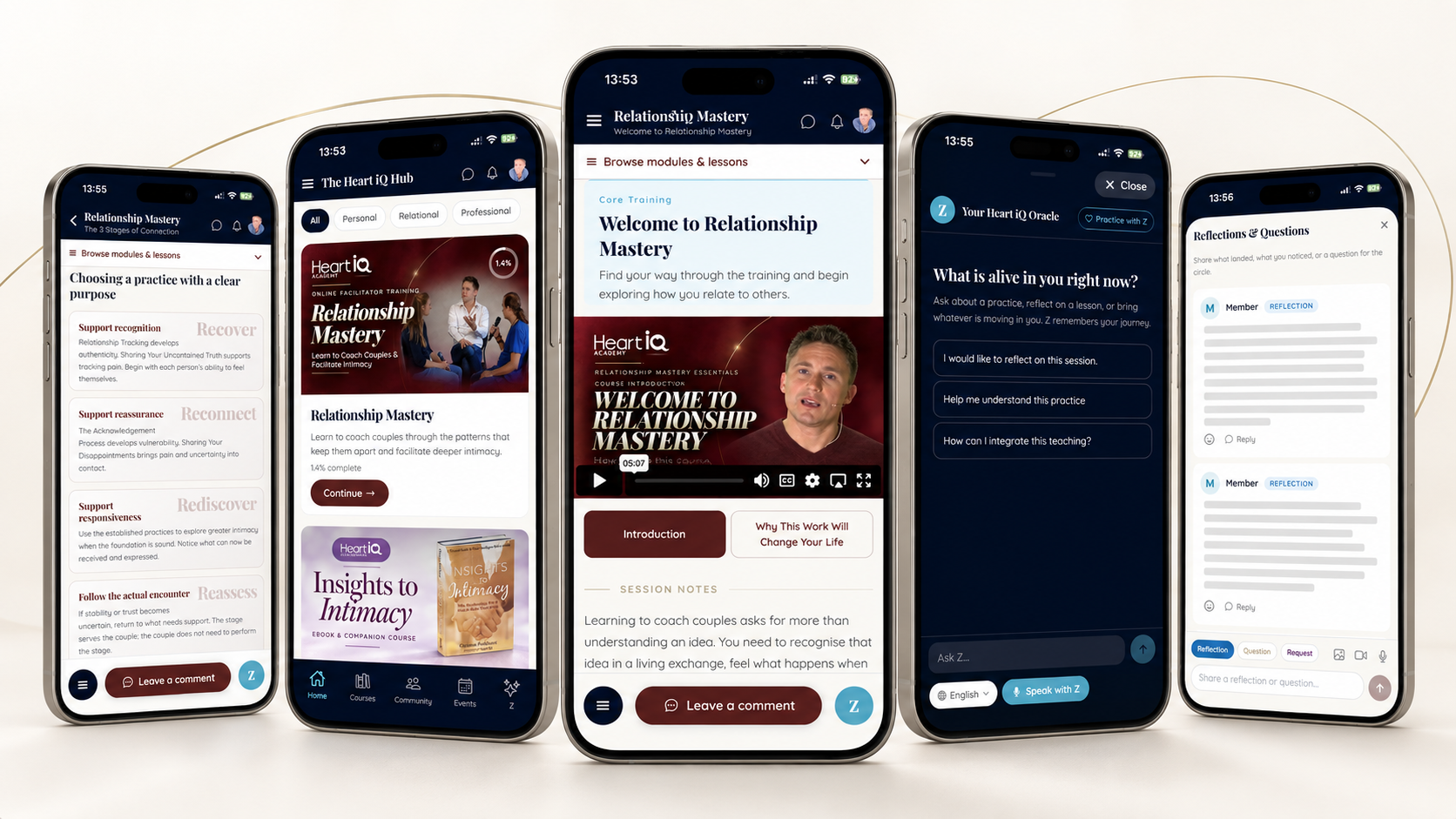
The training has a home designed around the way you learn. Watch a couple work through a difficult moment, study the teaching beneath it, then bring your own questions to Z or the community. It all lives together in the Heart iQ Hub and our custom app for iPhone and Android.
01
Find the practice you need
Move through the eight modules at your own pace. Clear sections separate the foundations, central practices, masterclasses and advanced training, so you can find your way back to a particular teaching.
02
See the work, then study it
Move between a demonstration and its coaching analysis within the same lesson. Return to the moment you want to understand and mark each part complete as you work through it.
03
Let the teaching sink in
Detailed session notes, visual maps and reflection prompts help you work with what you have watched. The original practice worksheets are there when you want them.
04
Explore it with Z
Take a lesson into a conversation with Z, the Heart iQ AI guide. Ask about a practice, reflect on what it brings up or rehearse aloud by voice. Three months with Z are included.
05
Bring your questions into connection
Leave a reflection beneath a lesson, read what others are discovering and connect with a willing practice partner through the Hub. There is somewhere to bring what the training opens in you.
Your course, wherever you choose to study.iPhone · Android · Web Hub
Meet Z, the Heart iQ Oracle
A coach beside you
between every session.
Most home-study courses leave you alone with the recordings. This one comes with a coach you can talk to.
Z is the Heart iQ Oracle, an AI guide trained in Christian’s work. You can type to Z or simply talk, in a spoken back-and-forth conversation in Christian’s voice, on the web or in the Heart iQ app.
Learning to coach couples is learning a language, and a language is learned by speaking it. Z gives you somewhere to speak it every day: to rehearse, to ask, to get it wrong safely and try again.
Inside every lesson
Open Z from any lesson in the Hub or the app and take up what you have just watched while it is fresh. Ask about a step you missed, a moment in a demonstration that surprised you, or how a practice changes when one partner shuts down.
A partner to practise with
Rehearse the relationship practices out loud with Z as your partner, or let Z guide you through one step by step. It is a place to find your words before you bring them to a couple, or to your own relationship.
Feedback as you learn
Tell Z what happened when you tried a practice, or when a session did not go the way you hoped, and explore it together: what landed, where the thread was lost, what you might try next time.
Rehearsing your coaching
Talk through a couple you are working with, the pattern you keep seeing between them and the practice you are considering, and hear how it might land before you are in the room.
Between sessions, at any hour
When something from a lesson or from your own relationship stays with you late at night, Z is there to help you slow down, feel what is moving and make sense of it.
Grounded in Christian’s teaching
Z draws on Christian’s books, courses and teaching transcripts, so what you hear back comes from the Heart iQ method rather than generic relationship advice.
29 languagesSpeak with Z in English, Dutch, German, French, Spanish, Portuguese, Italian, Arabic, Hindi, Japanese, Chinese and eighteen more, so you can practise in the language you coach in.
Three months with Z are included with your enrolment, from the day you start.
Z is an AI guide. It supports your learning, and it is not a human supervisor, a therapist or an emergency service.
How each module works
Watch, practise,
understand.
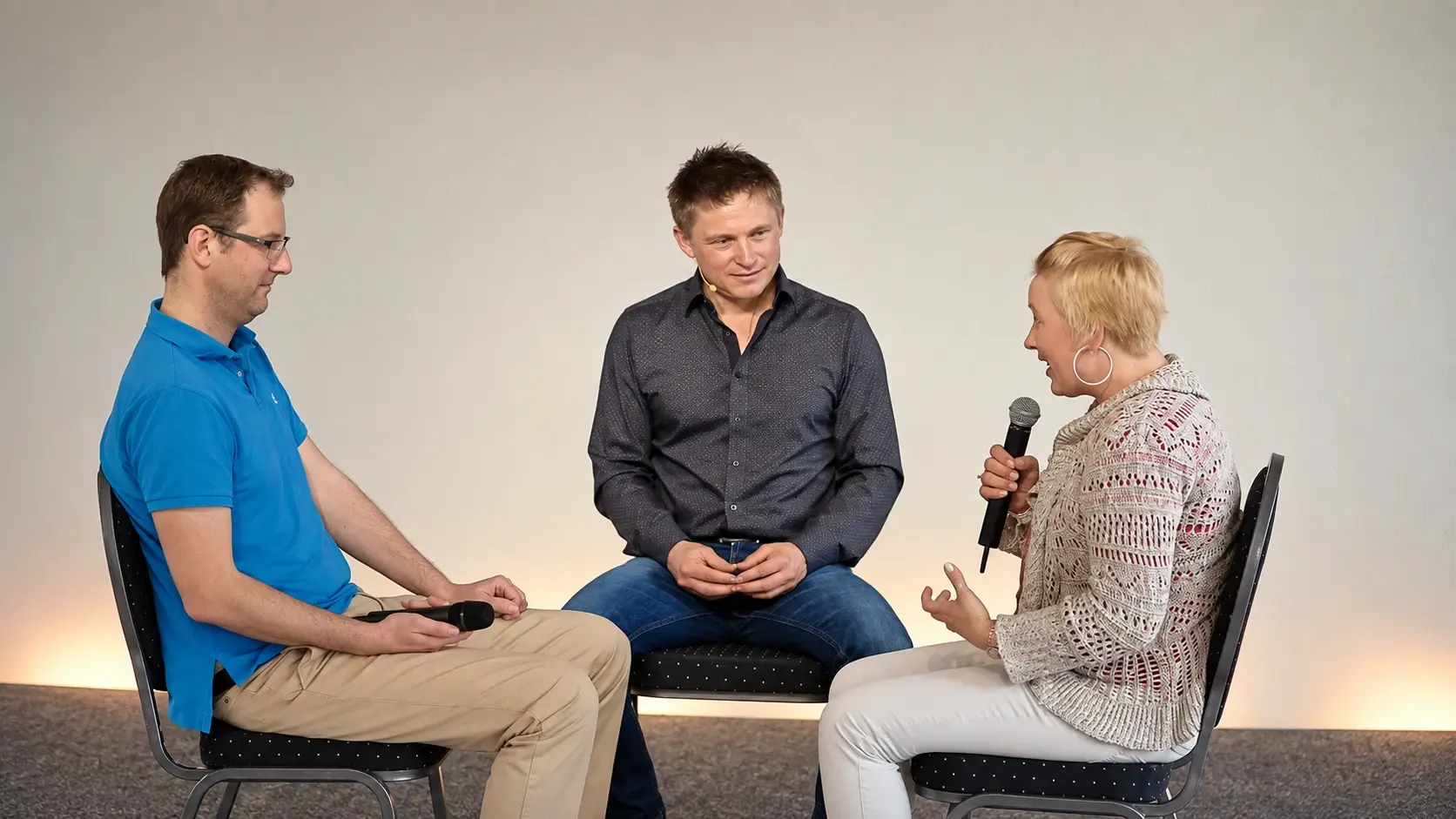
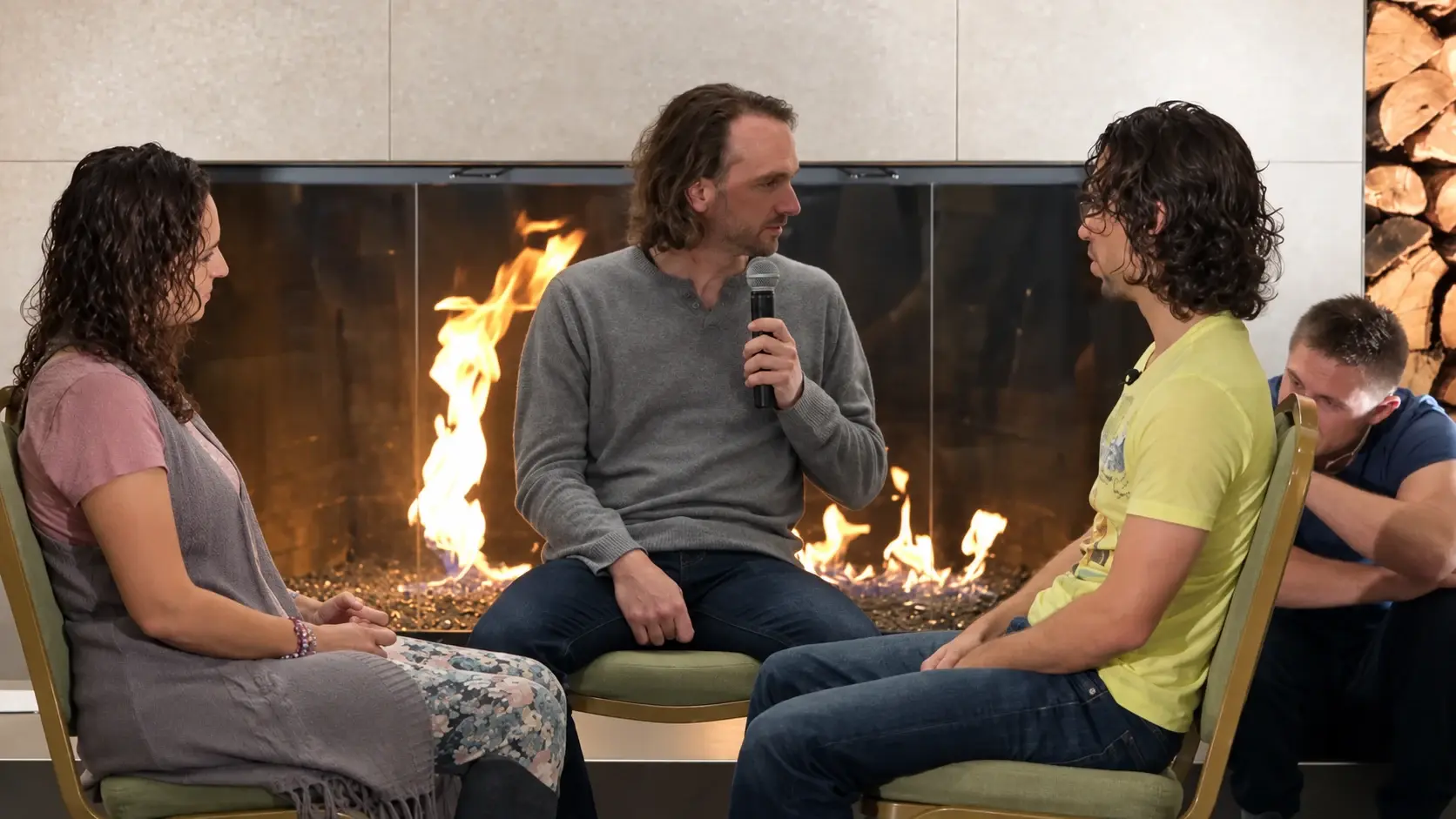
Every module follows the same rhythm, so you always know where you are and what to study next.
Core The teaching and the live demonstration of each processAnalysis Christian’s commentary on the recording: what he saw and why he chose what he didSupervision Coaching the Coach sessions, where trainees work with couples and Christian teaches in the momentMasterclass Eight full recorded sessions with case study analysis
Session notes, diagrams and the original PDF worksheets sit beneath each lesson in your Hub. Study on the web or in the Heart iQ app on iPhone and Android, and take any lesson straight to Z.
Beyond the private session
Three places to hold a couple.
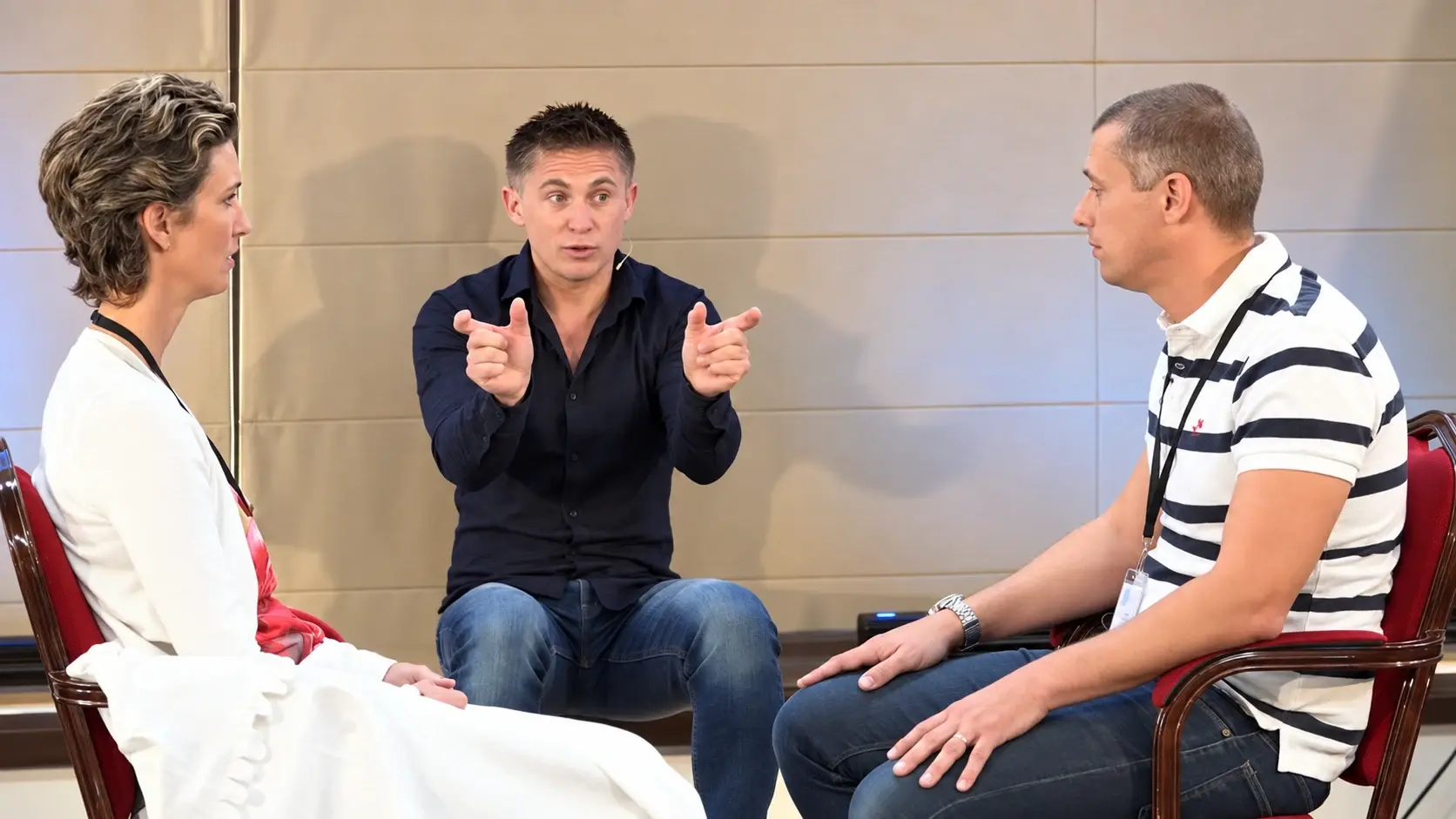
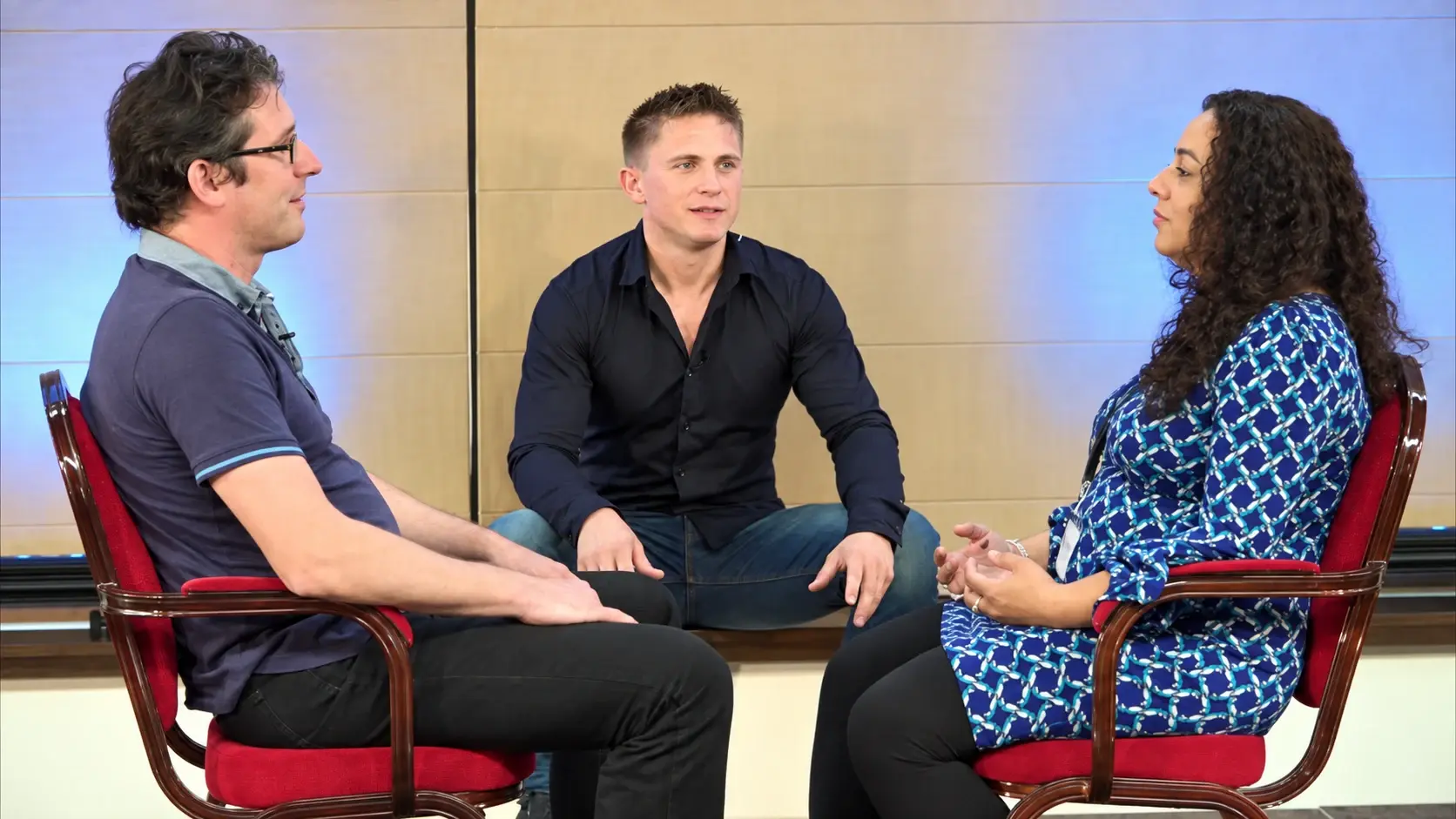
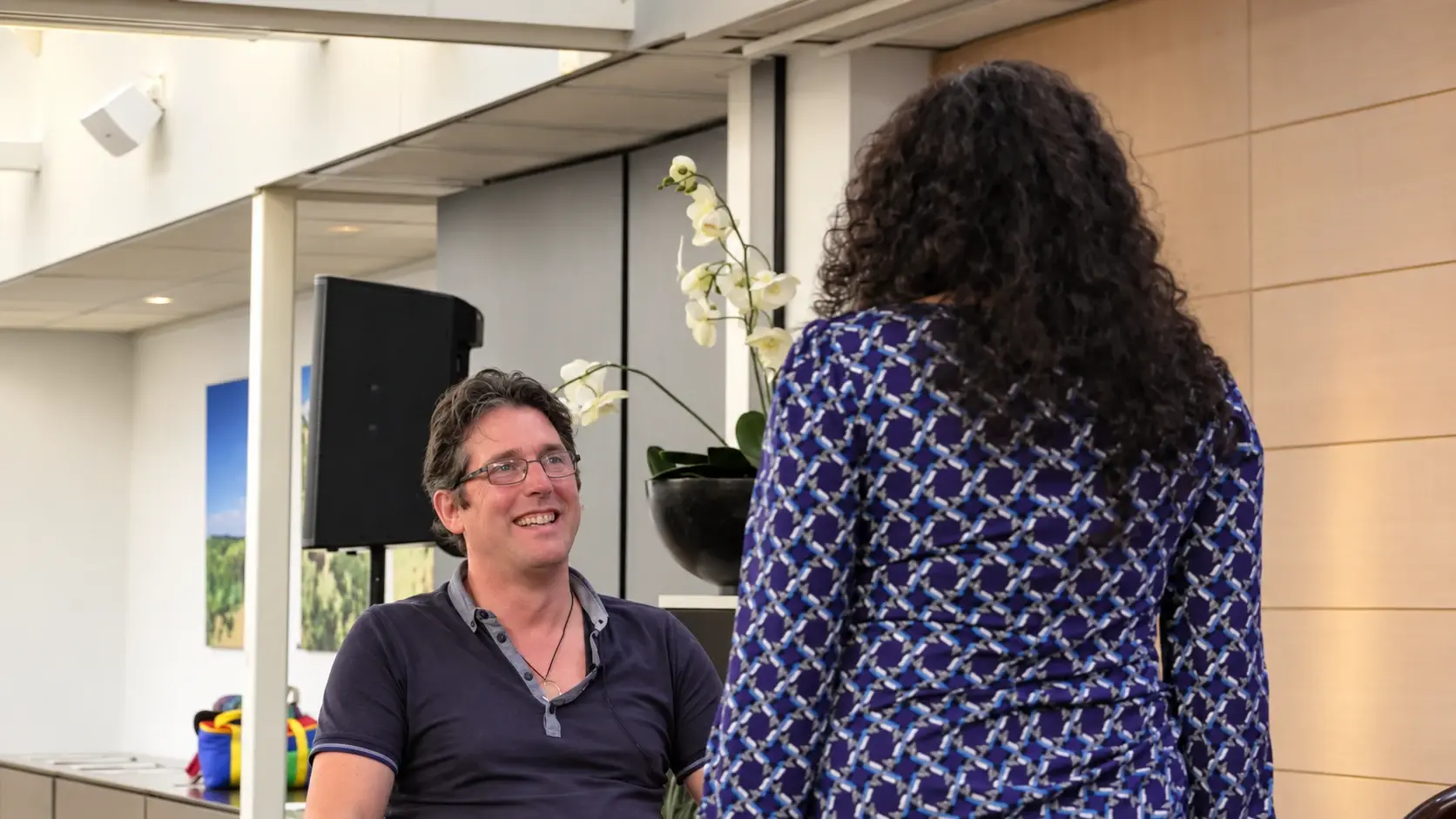
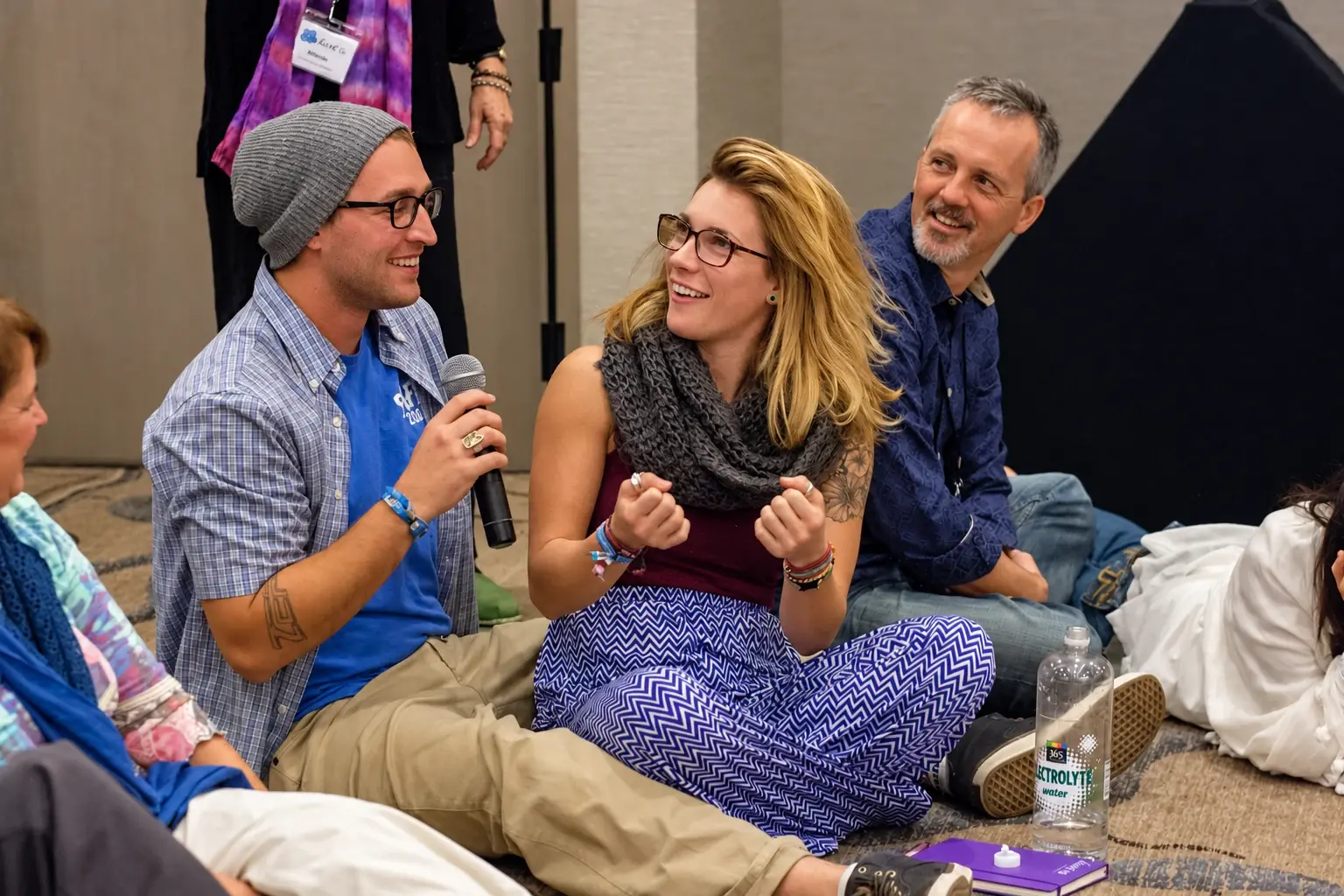
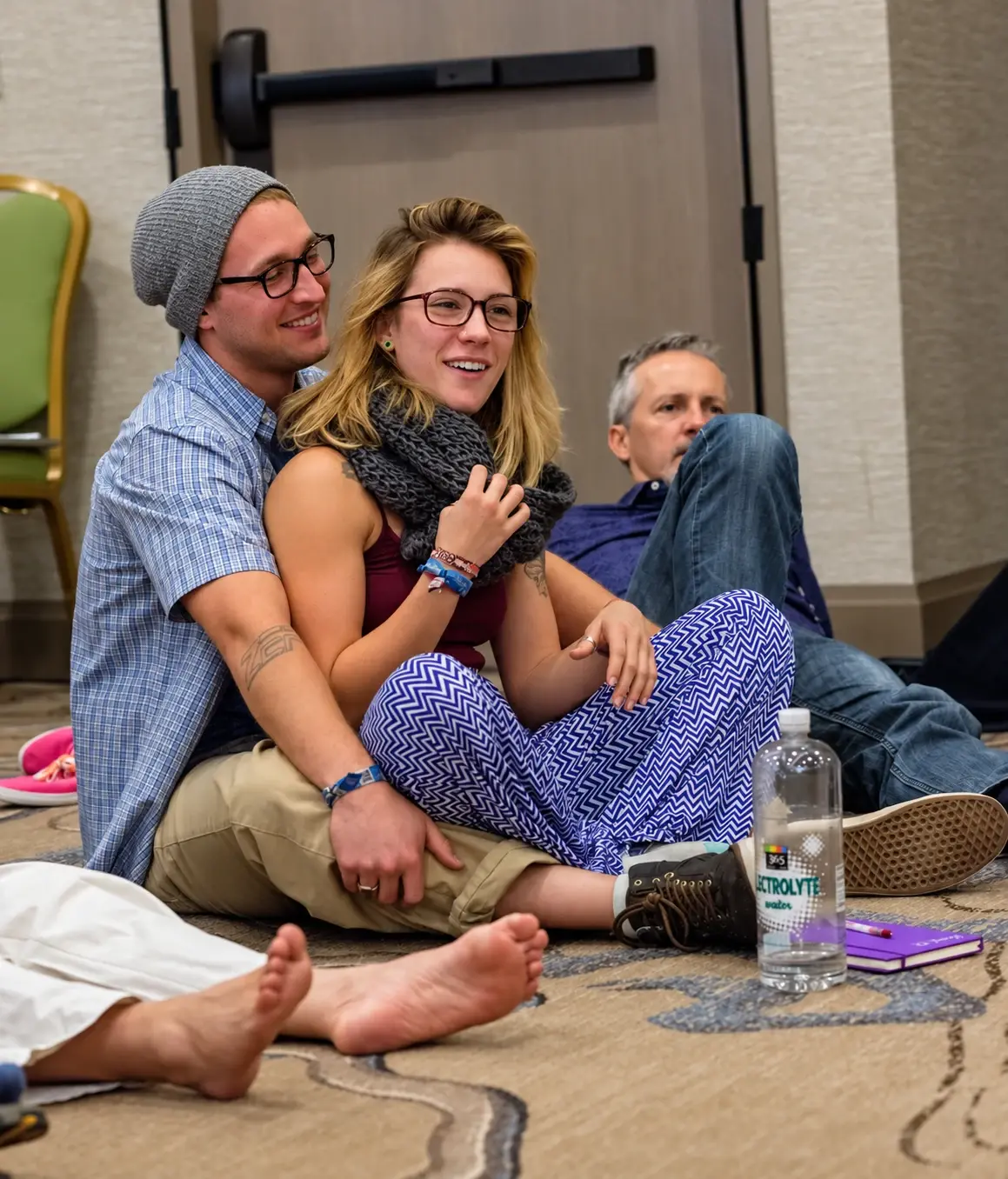
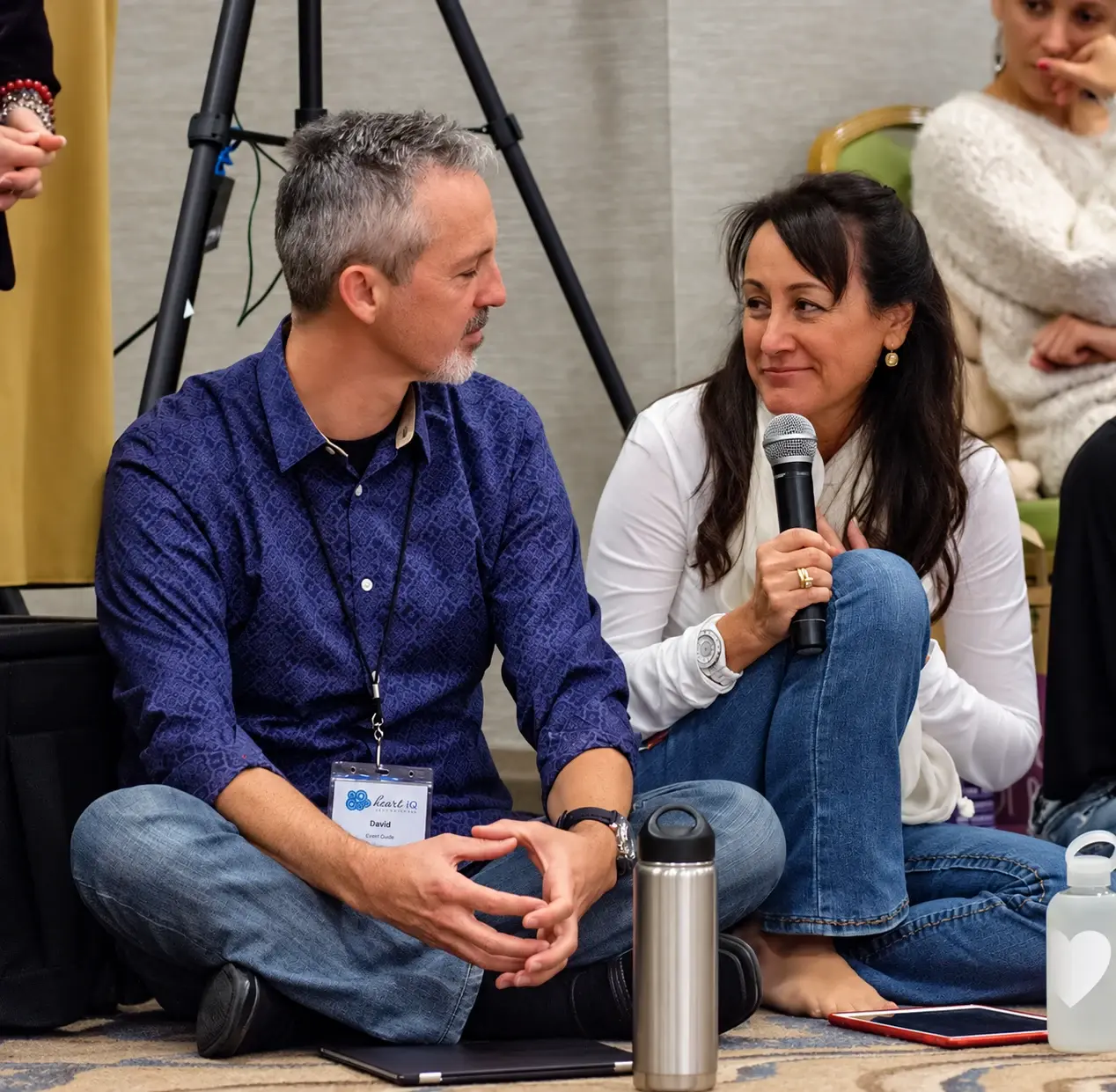
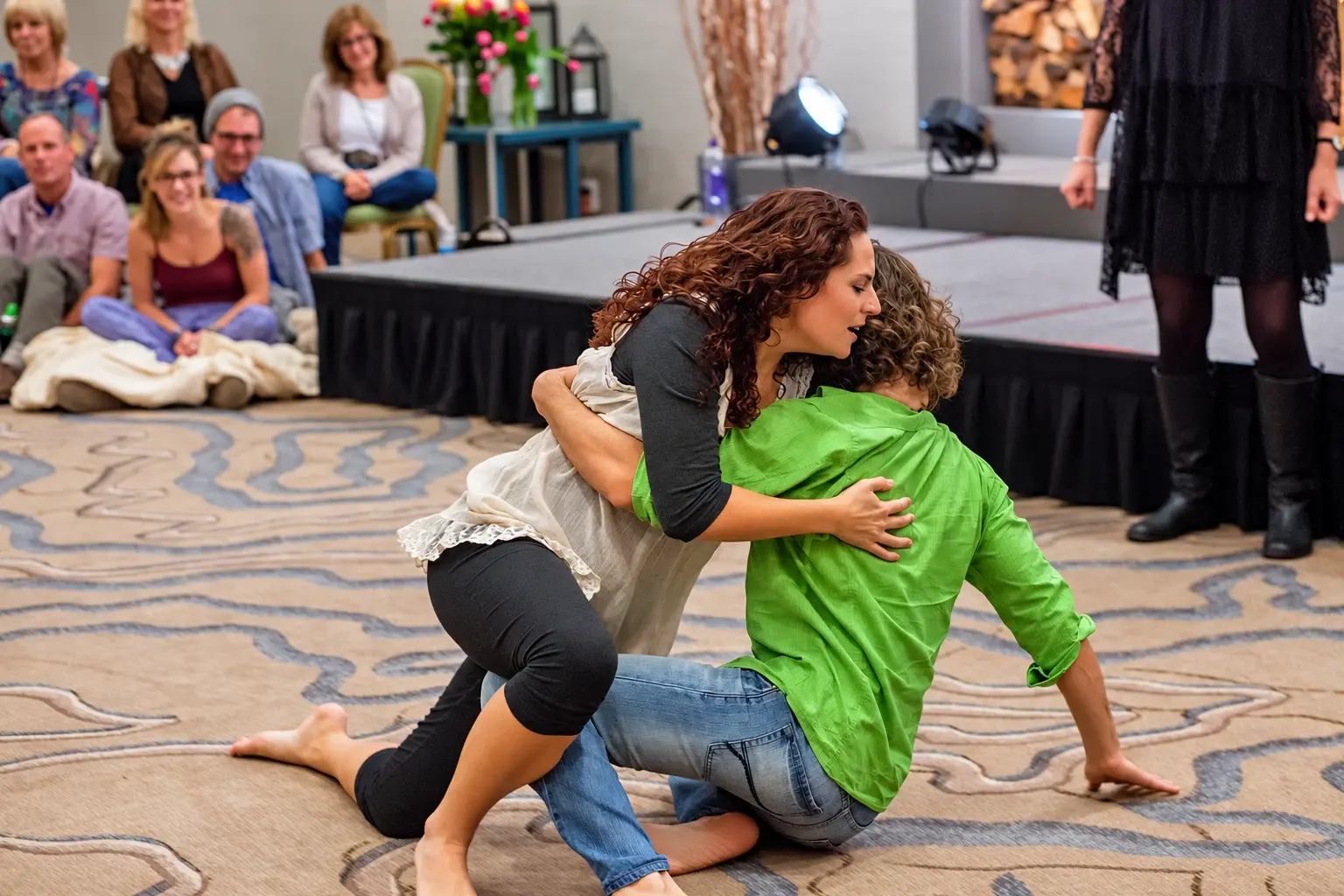
Most couples work happens behind a closed door. Much of this training was filmed inside a circle, so you learn the private session and also what becomes possible when other people are in the room.
One-to-one with a couple
The setup, the balance of attention, the translation, and a clean close that gives both partners something to take home.
Coaching a couple in a circle
Draw on the group field and the support of the tribe, bringing their shared wisdom into the coaching and opening a depth that isn’t available in a one-to-one session alone.
Leading relationship practices in a group
Guide several couples through a practice together, with clear instructions and time to explore. Offer feedback as they practise, then bring the group together to reflect on what they learned.
“I love coaching couples in circle.
Circle work is my absolute love.”Christian Pankhurst, Founder of Heart iQ
Is it for me?
A serious education
in working with couples.
Relationship Mastery is part of the Heart iQ Academy’s facilitator pathway.It asks you to practise, as well as to watch.
This is for you if
- You are a coach, therapist, counsellor or facilitator who works with couples, or wants to
- You want practices you can teach couples, and a way of teaching them that lasts
- You want to bring couples work into circles, groups and workshops as well as private sessions
- You learn well by watching a master at work and hearing the reasoning behind each choice
- You are willing to try the practices in your own relationships as you study
This may not be the right fit if
- You want live supervision, feedback on your facilitation and certification. The professional pathway combines this course with an immersion and a 12-week supervised practicum. Read about the certification pathway.
- You want a certificate from watching the recordings alone
- You want scripts that work without any of your own presence
- You and your partner are in crisis and need direct support right now

Your teachers
Christian Pankhurst
Before I could teach others to coach couples, I had to learn to stay open inside intimacy myself.
I’m Christian Pankhurst, founder of Heart iQ and author of Insights to Intimacy: Why Relationships Fail & How to Make Them Work. I trained first in the sciences as a chiropractor, then as a facilitator in Neale Donald Walsch’s Leadership Education Program. In 2009 I was named Britain’s Next Top Coach, and in 2011 I opened the Heart iQ Academy.
Through direct observation of thousands of group interactions at my deep dive relationship retreats, I began to see the hidden patterns of connection and conflict that show up in every kind of relationship, and translated them into a practical, embodied language that anyone can learn. Relationship Mastery is that language, taught process by process, with the recordings of how I use it.
Academy Director and senior faculty
Stephanie Fabela
Stephanie co-taught the original Relationship Mastery training with Christian, and you will hear her throughout the recordings: co-coaching couples in the demonstrations, walking the room during practices and reporting what she saw, and adding the distinction that makes a process land. The course’s definition of the pain body is one the two of them wrote together.
She reads what is moving underneath a room, and her particular art as a teacher is translating what she senses into something another facilitator can see, practise and eventually hold for themselves.

“If you want to coach couples from the Heart, then this training is an absolute must.”
JacquiRelationship coach
“The practice of embodiment and live demos together with a well balanced amount of lecture was a profound combination. I enjoyed it very much!”
MarcBristol, England
“I really think this program is amazing. How you have laid it out is so clear, what works and what doesn’t work to create deeper intimacy.”
DanielRelationship training participant
Stories from the field
People who have lived this work
These participants describe the original Relationship Mastery trainings, where these recordings were made.
More participant stories
“The experience was fabulous from start to finish. The coach training event really helped to integrate the practices and curriculum.”
SimonCoach training participant
“We now have something new that we both can practice together to support our relationship intimacy. This is priceless!!”
KrzysztofRelationship training participant
Enrol
Begin the training today.
The course opens in your Hub and in the Heart iQ app the day you enrol, for you to study at your own pace.
Pay in full
$1,497USD · one paymentEnrol nowThree monthly payments
$529per month · USDTotal $1,587 USD. Choose the plan at checkout; it ends after the third payment.Continue to checkoutEight teaching modules, plus the course orientation139 recordings, more than 61 hours of trainingEight full masterclasses with case study analysisCoaching the Coach sessions, supervised by ChristianEight Advanced Relationship Dynamics practicesSession notes, diagrams and original PDF worksheetsThree months with Z, the Heart iQ Oracle, by text and voiceYour private Heart iQ Hub, on the web and in the app
The instalment option is a commitment to all three payments.
Also included with your enrolment
New to Heart iQ? Begin with Foundations.
You also receive Heart iQ Foundations, a six-week training in the philosophy and practices behind this work. Learn to notice what is happening within you, understand your protective patterns and develop the capacity to stay present in connection.
Study it at your own pace alongside Relationship Mastery. Both courses open in your Hub when you enrol.
Normally $197 USD when bought separately. Included at no additional cost.
Continue in person
The Relationship Mastery Facilitator Immersion.
Some of this work can only be learned in the room: reading a couple’s body, holding a group field, being seen as you facilitate. The immersion is seven days at New Eden where you train it live with Christian and the team.
It is a separate professional training with its own application and booking.
Explore the immersionBefore you begin
Your questions, answered.
Is this a live training?+
No. This is the recorded online facilitator training. It includes teaching, demonstrations, full masterclasses and coaching analysis filmed at live trainings. New live calls, supervision and practice groups are not included. Z is there when you want to talk something through.
Who teaches the course?+
Christian Pankhurst, the founder of Heart iQ, teaches and demonstrates every process. Stephanie Fabela, Director of the Heart iQ Academy, co-taught the original training with him and co-coaches through much of the footage.
Who is it for?+
Coaches, therapists, counsellors and facilitators who work with couples, or want to, and people drawn to learning the Heart iQ relationship method. Many practitioners also bring it into their own relationship as they study.
Do I need a partner to take it?+
No. You can study on your own. The practices come alive when you try them with someone willing, whether that is a partner, a friend or a colleague, and Z gives you somewhere to rehearse in between.
What does “in a group field” mean for a home-study course?+
Much of the teaching was filmed inside circles and trainings. You watch Christian bring the room into a couple’s process: inviting others to share their own acknowledgements, taking energetic reads from the group, and using the circle’s support when a partner is stuck. You learn how he does it and why, so you can bring it into your own groups and workshops.
What is included with Z?+
Three months with Z are included. Talk with Z by text or voice, in the Hub or the app, about any lesson, practice or couple you are working with. Z is an AI guide, not a human supervisor, a therapist or an emergency service.
Do I need to watch every case study before moving on?+
Start with the core teaching and demonstrations. The supplemental case studies let you go deeper into a process and see how it changes with different people. Eight full masterclasses sit alongside the modules.
How do the materials work?+
Videos, session notes and comments live together in the Hub. Original PDF worksheets are attached to their lessons. Multi-part lessons have a component selector, with Core Training, Supplemental Training and Masterclass sections clearly marked.
Will I get certified with this course?+
No. This course is self-paced study and forms one part of the Relationship Mastery professional pathway. To earn the Relationship Mastery badge and certificate for this specialisation, you complete the online course, attend a week-long Relationship Mastery Facilitator Immersion, and complete a 12-week practicum with supervision and feedback on your facilitation. The immersion and practicum are additional parts of the pathway, not included in this course purchase. Relationship Mastery is one of three Heart iQ specialisation badges. Completing all three leads to certification as a Heart iQ facilitator.
Can I pay in instalments?+
Yes. Choose one payment or three monthly payments at checkout. Select your currency to see the exact amount and total. The instalment plan ends after the third payment and commits you to all three.
The invitation
Give couples a language they can keep.
If you have sat with two people who love each other and could not find their way back, you already know what this training is for.
Relationship Mastery gives you the practices, the translation and the way of holding a couple that Christian and Stephanie refined across years of retreats and trainings, one-to-one, in circle and in the wider field of a group.
Start with the first module today, and take Z with you into every lesson.
Enrol now