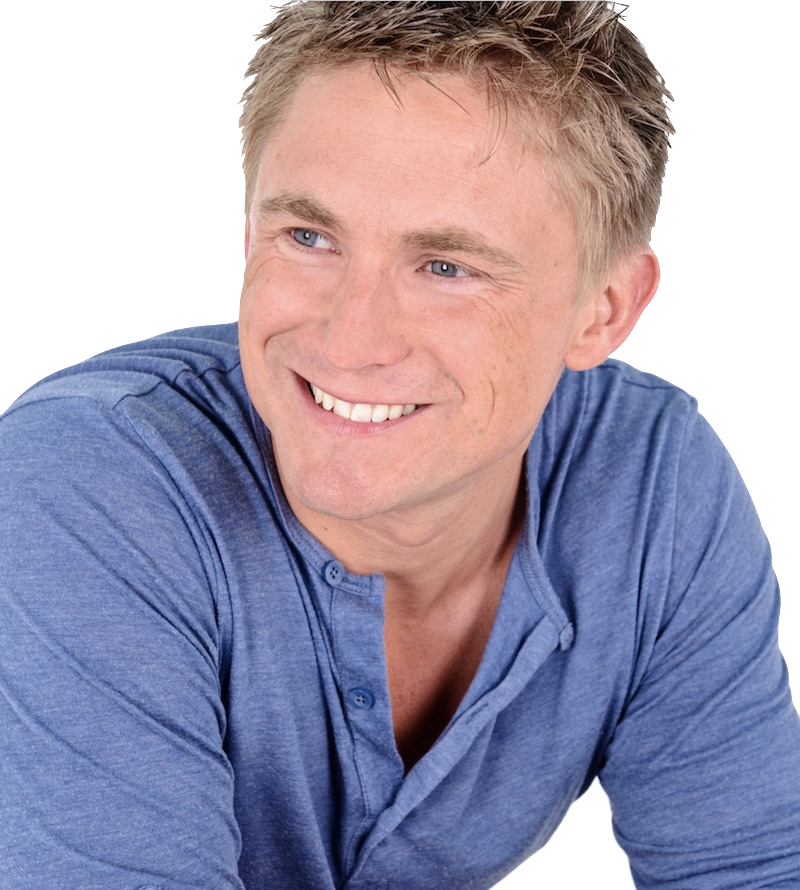
This conversation brings together Christian Pankhurst and Maanee Chrystal’s approaches to somatic shadow work and circle facilitation.
A group can offer different perspectives and a quality of shared attention. In this conversation, Christian and Maanee describe how they use that contact to explore patterns people may find hard to notice alone.
From identification to liberation
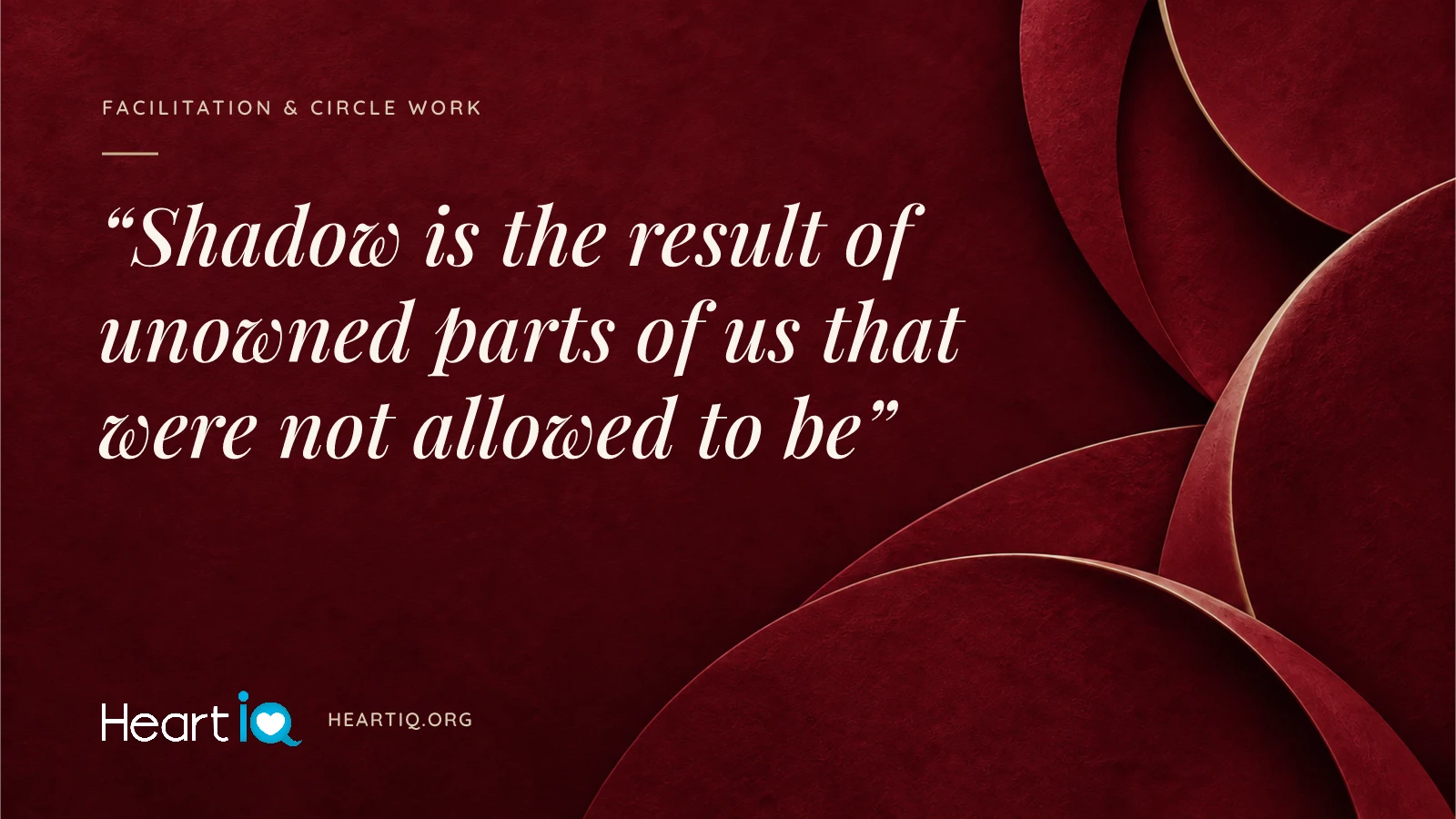
The work has two distinct phases. The first is identification: learning to recognise the shadows that show up in all of us, not as personal failings but as universal patterns of contraction. The second is translation: taking what's been identified and converting it into something practical, a specific practice that helps a person move toward more openness in exactly the range where they've been stuck. Shadow identification without a way to work with it doesn't go very far. The translation into embodied practice is what makes the insight usable.
The mat and the circle
This is where the work becomes tangible. In practice, someone steps onto a mat and the group circles around them. There is no fixed script for this. As soon as a person is on the mat, the facilitator is working with an unknown, letting the field itself inform what's needed rather than following a predetermined agenda. That means learning to attune to both what is spoken and what isn't, reading the room, sensing the nervous systems in it, and noticing the subtleties of what the group is holding.
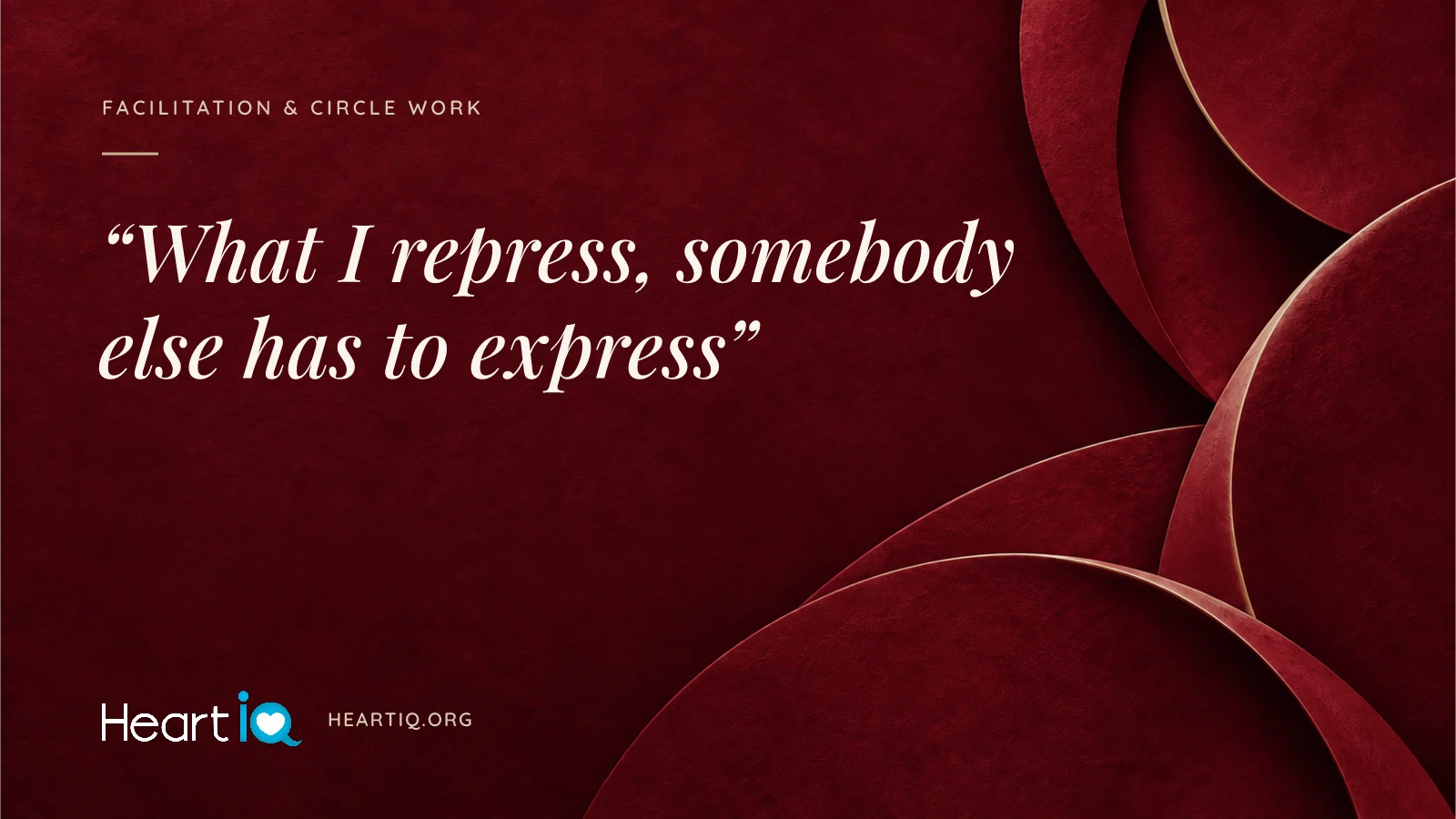
Christian describes noticing relationships between what a person holds back and what others express in a group. He calls this the relationship between repression and expression. It is an interpretation a facilitator needs to explore carefully with the people present, rather than a reason to tell someone which feelings belong to them.
Where the shadow actually lives
A closed system, a nervous system that hasn't learned how to let emotion move through it, will often express that stuck charge as personality traits, behaviour patterns, or things that get labelled as unhealthy. In this view, no single emotion is inherently toxic; it's emotion or energy moving through a system that hasn't learned to stay open that has the effect that feels unhealthy. This is a working belief from years of facilitating this kind of work, not a clinical claim, and it's offered as something to test for yourself rather than take on faith.
The conversation returns to the ability to stay in contact with sensation without becoming overwhelmed. That can mean slowing down, drawing on support, or stopping an exercise. Naming a pattern is one part of the work; finding a manageable way to relate to it is another.
Integration matters as much as the breakthrough
Work on the mat can bring up difficult memories and affect people who are witnessing. Those responses require attention. A facilitator needs to check what is happening and adjust or stop when needed. Integration gives people time to reflect on an experience and consider how it relates to daily life.
Who you are matters more than the technique
The conversation also explores the facilitator’s own presence. Techniques matter, alongside the ability to notice a response, receive feedback and remain in relationship when something difficult arises. Christian and Maanee describe embodiment as an ongoing part of that learning.
Group Shadow Work: From Identification to Integration
- Identify the shadow pattern showing up in the individual or the group field
- Translate the shadow into a specific practice or emotional range to work with
- Bring the work onto the mat, in circle, letting the field inform the process
- Distinguish what belongs to the individual from what the group field is amplifying
- Integrate the insight back into the body so it becomes part of daily life