
A relationship exists within an environment. Each partner has an inner life, the couple develops patterns together, and family and community influence what support is available. This teaching looks at those layers together.
The Couples Environment
Christian’s relationship-coaching framework considers four areas: the individual, the partnership, the family system and the wider community. Looking across them can help reveal pressures that are easy to miss when focusing on one conversation or disagreement.
1) Our Inner World
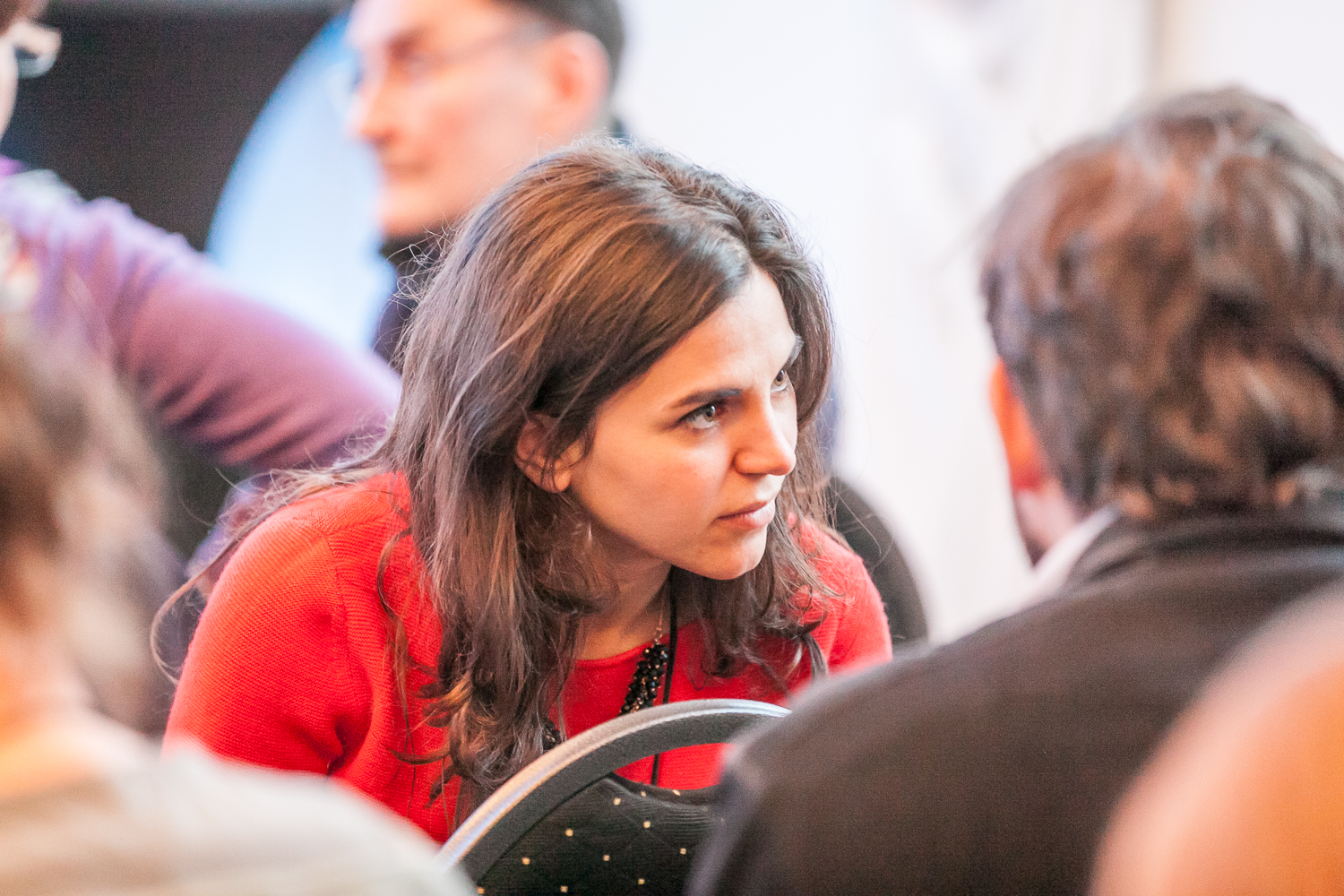
Christian describes each person as having different parts: some familiar, some difficult to accept and some outside their awareness. These parts can show up differently in close relationships. Reflection and feedback may help a person understand a pattern they had not noticed.
Receiving support
A partner may notice something we miss, but repeatedly taking the role of their teacher can strain the relationship. Support from a trusted third party can give both people room to explore without one becoming the expert on the other.
In Heart IQ™ relationship coaching, the goal is for each individual to come into health and wholeness with self, which includes helping them connect to their deepest truth around what they feel, what they want and who they are at their core. Working on some of those blind spots before entering into the Couple Container can make a real impact!
2) Our Couple Container

Two people bring their different feelings, histories and needs into a shared relationship. Christian calls this the couple container: the quality of trust and the agreements that help them meet both closeness and difficulty.

If this container gets fragmented or damaged, such as when trust is violated and broken, a couple can start acting very independently from one and other, connection is lost and a situation is created where a clear way out isn’t obvious. This is a clear example of a Couples Environment that leads to decreased intimacy.
In situations like this, a Heart IQ™ Relationship Coach would primarily work with the individual to come into health and integration by understanding his or her relationship to their pain, effectively zooming out and seeing the bigger picture. Without support from a neutral third party, this dynamic can keep recurring, and the couple's environment can degrade to the point where the relationship struggles to recover.
3) Our Family System
Family habits can influence later relationships. Christian gives an example from his own family of using humour to move away from emotional intensity. Recognising a familiar pattern creates an opportunity to consider whether it is still helpful, without assuming every difficulty has one inherited cause.
Heart IQ™ Relationship Coaches can play a real role in helping couples interrupt these generational patterns rather than pass them on unexamined. In my experience, this kind of work can have a significant influence on the health of the individual, the couple and the family unit, though the depth of that influence will vary from family to family.
4) Our Community
Support outside the partnership can relieve pressure on both people. Friends, a community or appropriate professional help can offer perspective and practical care. Asking for help need not wait until a relationship reaches a crisis.
Community is one possible source of that support. Its value depends on the quality of its relationships and respect for the people within it.

The key takeaway point here is that:
a) we can’t really do this on our own, and b) we really don’t have to!
This integrative view of the couple's environment is at the heart of the Heart IQ™ approach to relationship coaching. Whether a couple is navigating real difficulty, enjoying a settled and happy connection, or a single person is preparing for a future relationship, the same four dynamics of inner world, couple container, family system and community remain relevant.
Recording notes
This recording is Christian talking through the Heart IQ systems approach to relationship coaching, the same framework the article is built on, with more detail on how each layer actually shows up in practice.
The individual as a community of parts
Christian describes each person as made up of many parts, some liked, some avoided, some entirely unconscious. He calls the unconscious ones blind spots and says they carry the most influence over how someone behaves in relationship. He frames the first job of a coach as helping the individual come into a better relationship with these parts before or alongside couple work.
The couple container under pressure
He gives a worked example of a couple who have stopped having sex, are cohabiting more as friends, and where one partner has effectively withdrawn. He uses this to show how unmet needs in the couple container do not simply disappear.
Children absorbing what parents cannot hold
Christian describes how an unmet intimacy need in a parent can, without anyone intending it, get displaced onto a child, creating a role reversal neither parent would consciously choose. He is careful to note this is unconscious and asks coaches to raise it sensitively.
Generational patterns
He uses a personal example of his own family's habit of using humour to deflect emotional intensity, tracing it through his father and grandfather, to illustrate how coping patterns move down a family line without anyone naming them.
Community as the missing piece
He argues that couples and families are conditioned to struggle privately and only seek help once things are already difficult, and that a supportive community changes what is possible at every other layer.
The Four Layers of a Couple's Environment
- Inner world: each partner's own parts, including unconscious blind spots
- Couple container: how safely the two people can hold conflict and closeness together
- Family system: generational patterns and, where present, the impact on children
- Community: the wider support (or isolation) surrounding the couple